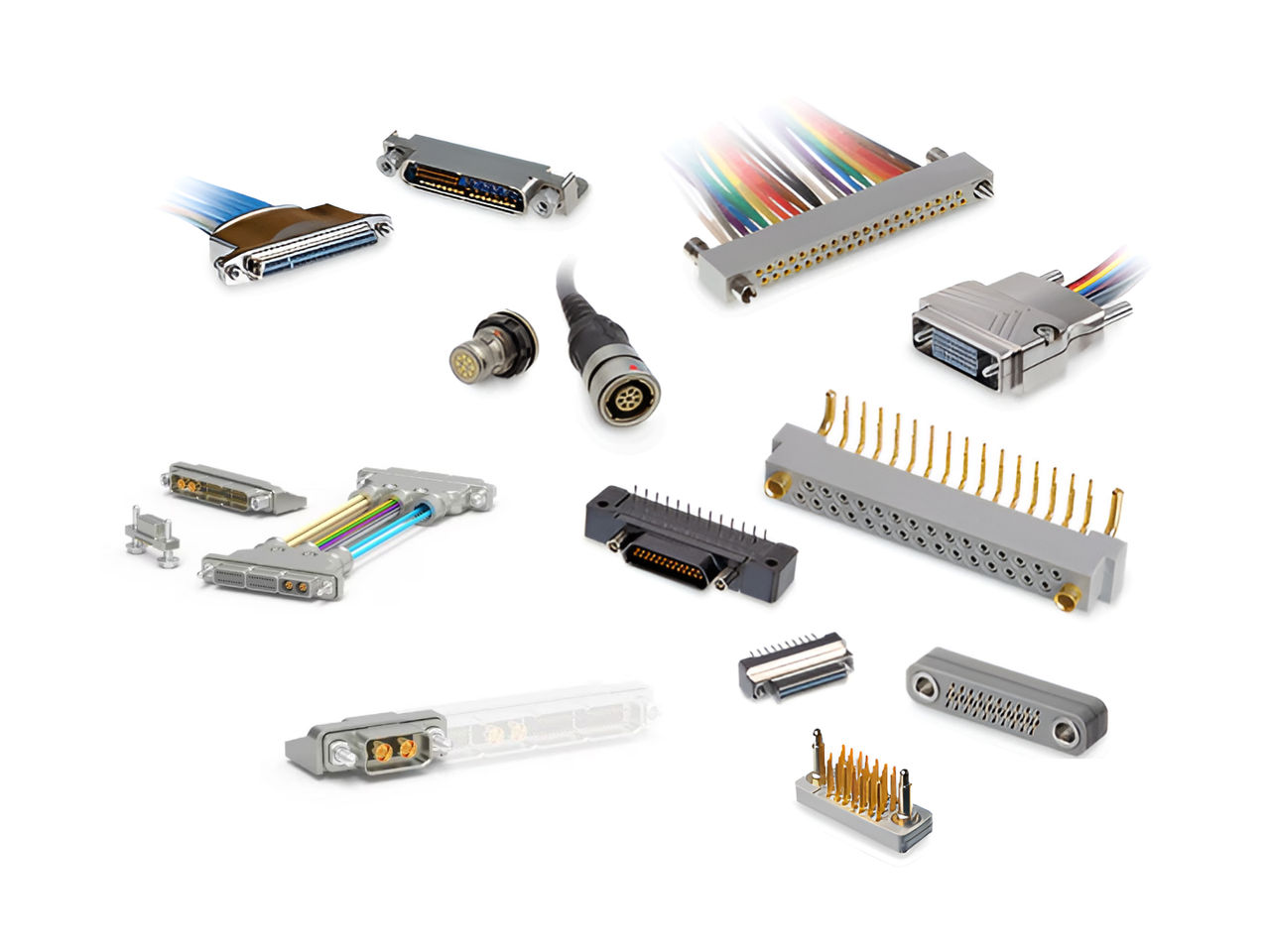
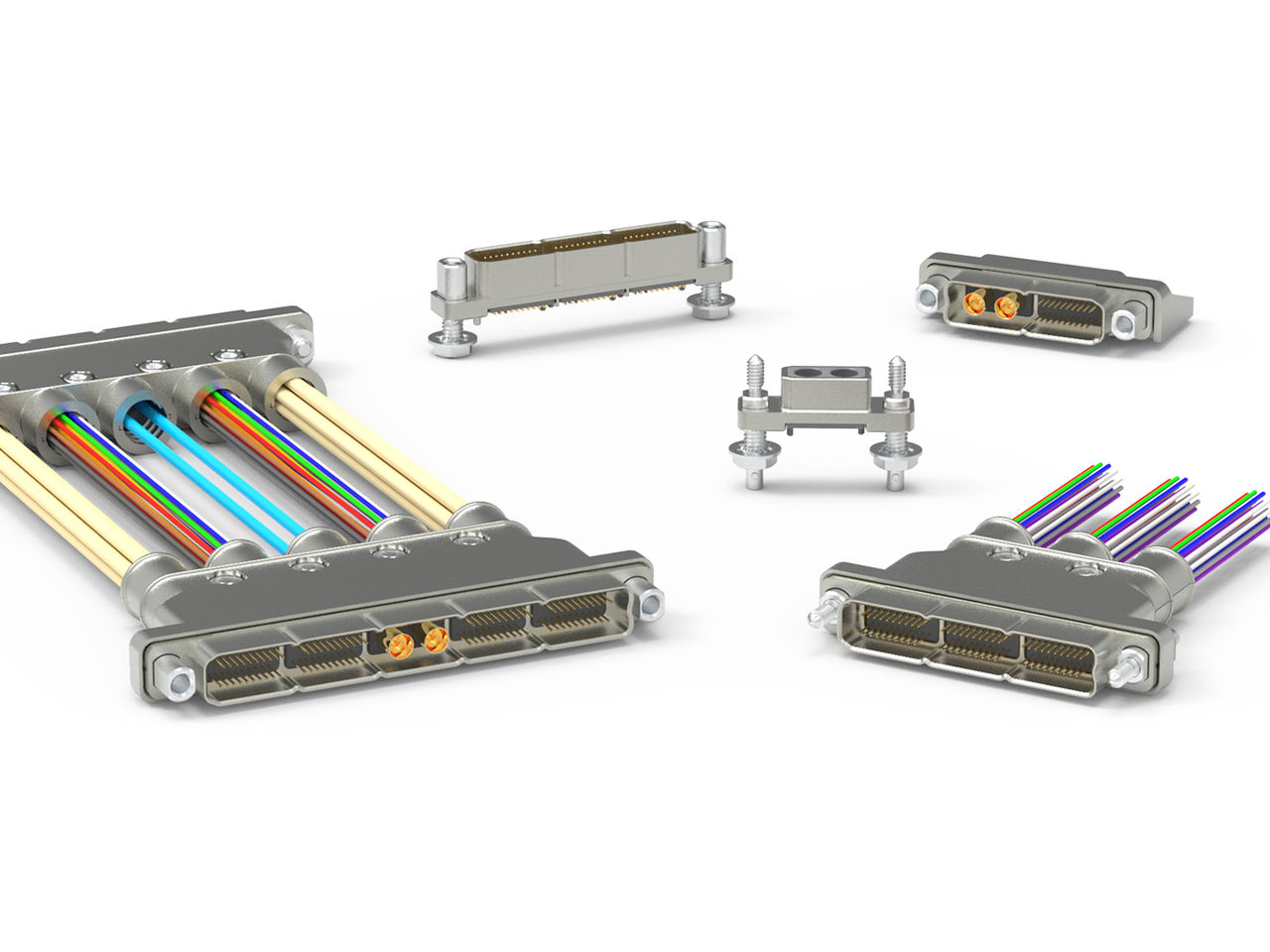
Connector housings do more than encase internal electrical contacts—they protect them from mechanical stress, extreme temperatures, corrosive elements and moisture ingress while maintaining an optimal balance between durability and weight. While these material choices are common, the best selection depends on specific application requirements, environmental conditions and performance needs. Engineers should conduct detailed trade-off analyses for each unique application.
High-Performance Polymers and Composite Materials
For weight-sensitive applications, thermoplastic polymers such as poly-ether-ether-ketone (PEEK), poly-phenylene sulfide (PPS) and polyetherimide (PEI) offer excellent mechanical strength, thermal resistance and chemical stability. These materials effectively absorb vibration and shock without adding extra weight, making them ideal for avionics, unmanned systems and compact electronic assemblies.
Composite materials, including fiberglass-reinforced polymers and carbon fiber composites, provide excellent strength-to-weight advantages. They can be engineered to maximize specific properties such as tensile strength, impact resistance or thermal stability, offering versatile performance in high-stress applications. Even in these applications, the composite housings are generally used in embedded systems. Metal enclosures are typically preferred for applications involving direct environmental exposure.
Metal Enclosures
Stainless steel and aluminum alloys are preferred materials for connector housings in the high-shock, high-vibration and high-EMI environments typical in aerospace and defense applications.
Stainless steel connector housings offer exceptional corrosion resistance and mechanical strength, making them ideal for marine, industrial and aerospace applications where exposure to moisture, chemicals or salt spray presents a significant challenge. In high-corrosion environments, stainless steel housings may receive additional coatings to further protect against oxidation and degradation.
Aluminum alloys provide a balance of strong EMI shielding, low weight and excellent machinability. These properties make aluminum alloys the material of choice for connector housings in military vehicles, avionics and space-based applications where weight reduction is crucial but electrical performance cannot be compromised. Aluminum’s natural oxide layer offers inherent corrosion resistance, which can be further improved through anodizing treatments.