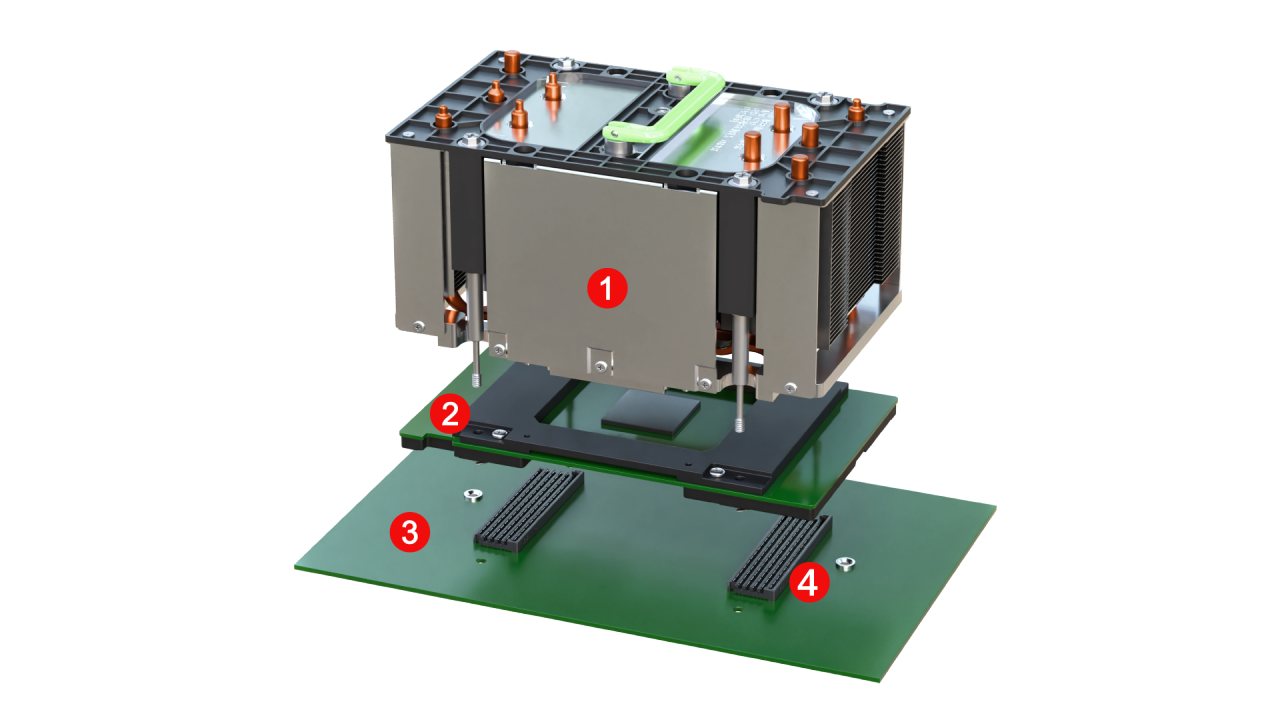

AI is revolutionizing a range of applications, creating demand for diverse hardware accelerators for machine learning (ML), deep learning (DL) and high-performance computing (HPC). Each requires robust solutions with efficient power, cooling and serviceability. Configurations need to be scalable while including management and debug capabilities that accommodate expansion and facilitate complex inter-module communication.
While PCIe CEM form factors offer rapid market deployment, they constrain scalability when handling AI models that demand both high-speed interconnects and multiple cards per system.
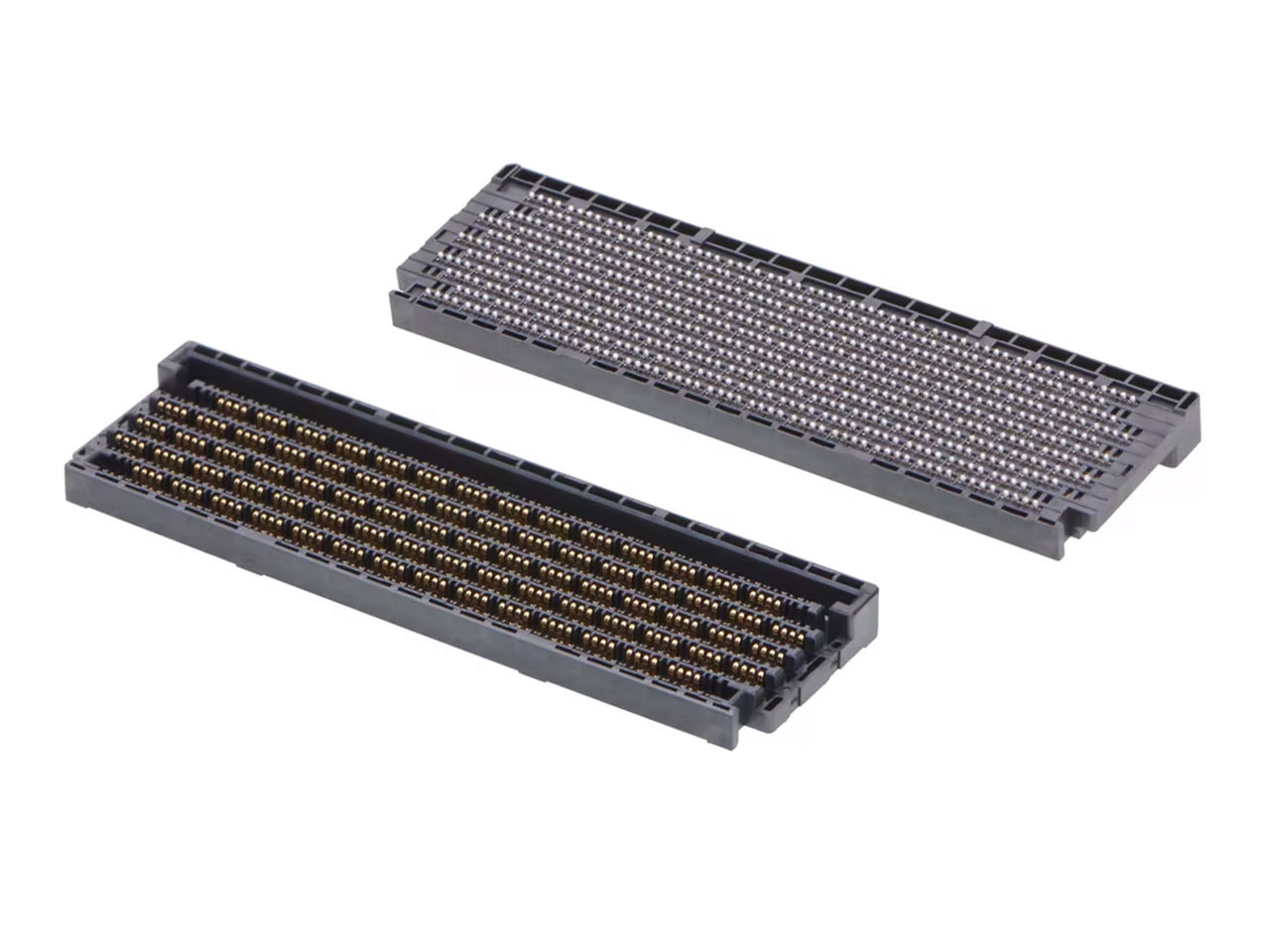
The preferred solution to overcome PCIe CEM limitations is a transition to an open mezzanine form factor. These high-density connectors offer reduced signal insertion loss for higher data rates and provide sufficient space for accelerators, local logic and power components.
The trend towards OAMs promotes greater versatility in system design to accommodate various cooling methods, including air and liquid options. Inter-module topologies from open mezzanine components provide the increased flexibility needed for dynamic, scalable configurations.