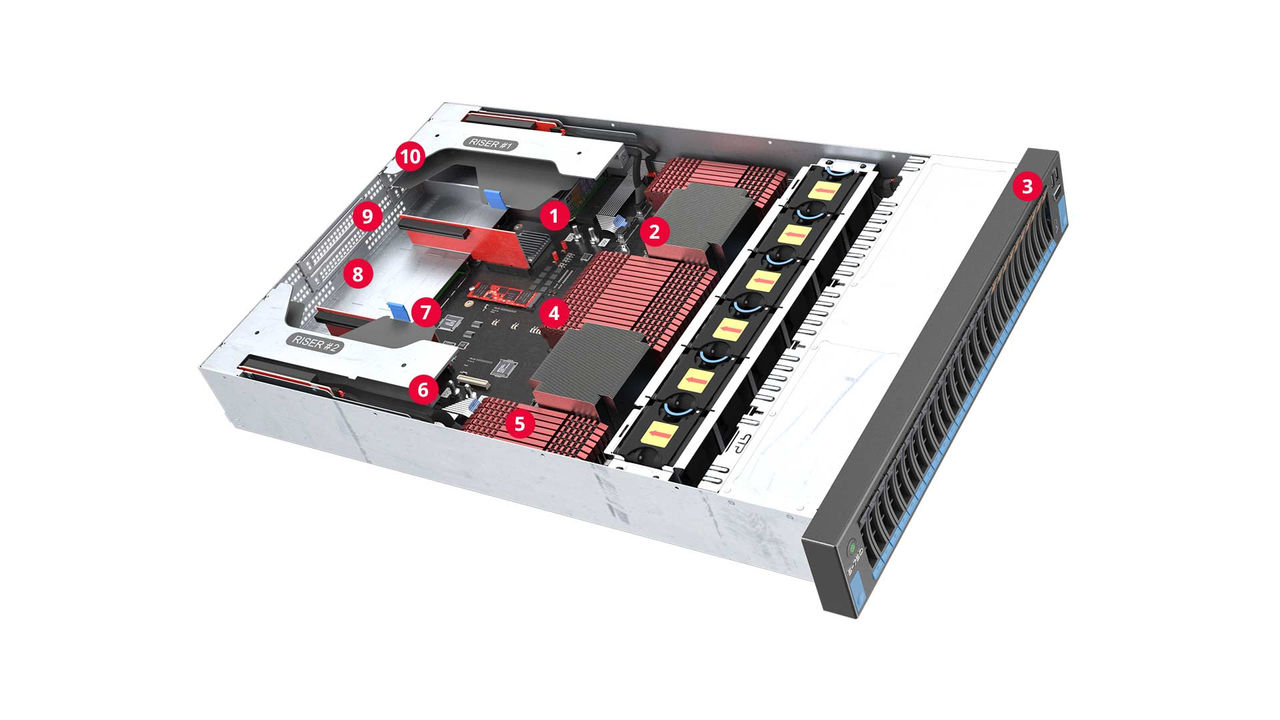
As high-performance computing enters a new era, servers face a slew of design challenges. As workloads get larger, design engineers need servers they can scale and customize for specific jobs yet are built on a small footprint. Minimizing latency and maximizing bandwidth—while ensuring effective thermal management—is essential to handle demanding AI and cloud applications. To flexibly upgrade, designs must be interoperable and compatible with existing infrastructure, supporting a variety of hardware and software. Recognizing these needs, designers of modular data systems have sought out easier ways to upgrade rack servers without major overhauls. Faster network interfaces, high-speed interconnects and low-latency memory technologies can boost capabilities to handle compute-heavy applications. Adhering to industry standards helps guarantee compatibility with existing hardware, while flexible designs allow easier implementation of advanced liquid cooling or optimized airflow technology to better dissipate heat.
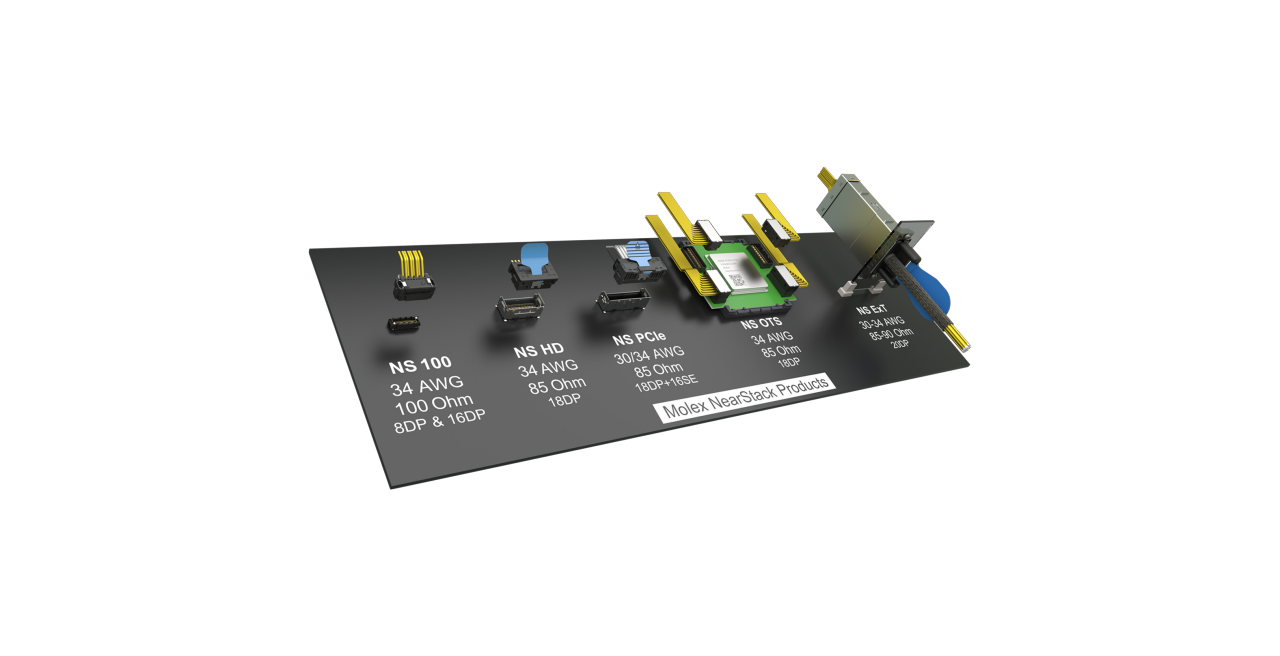
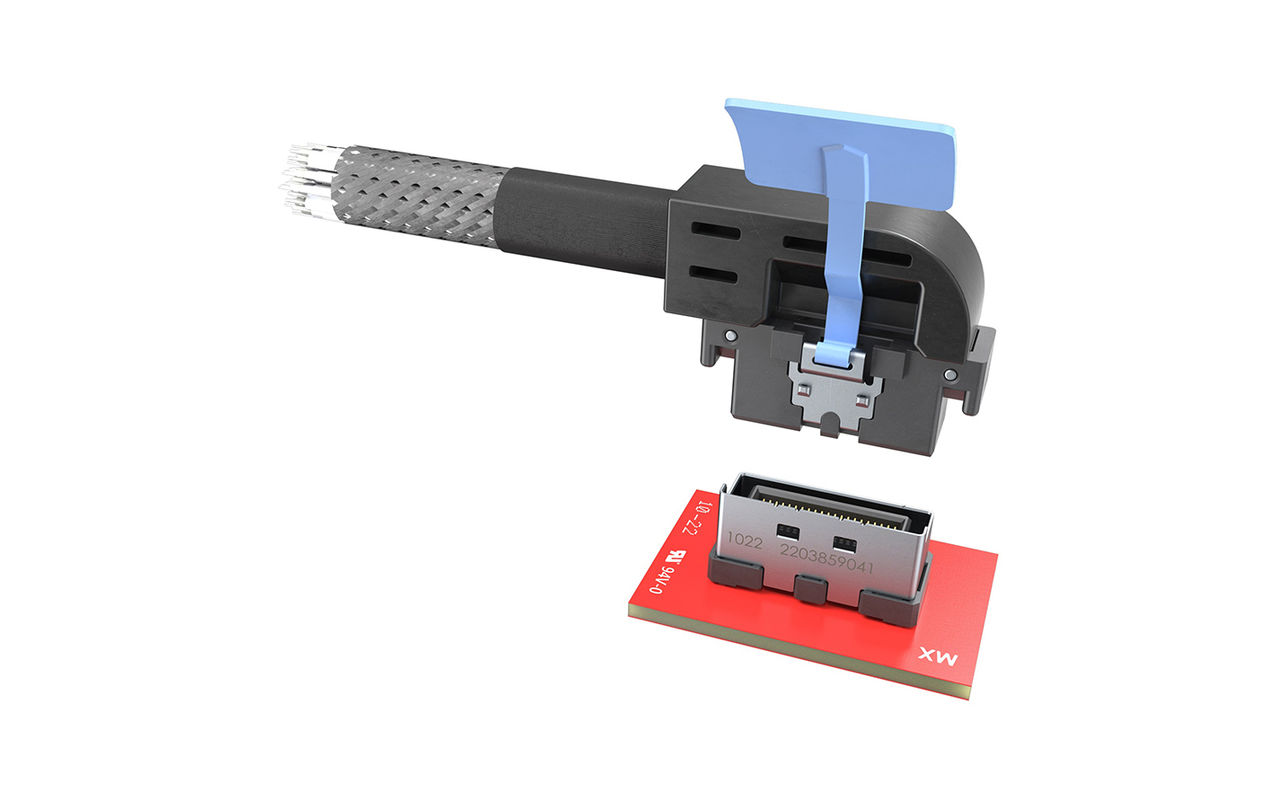
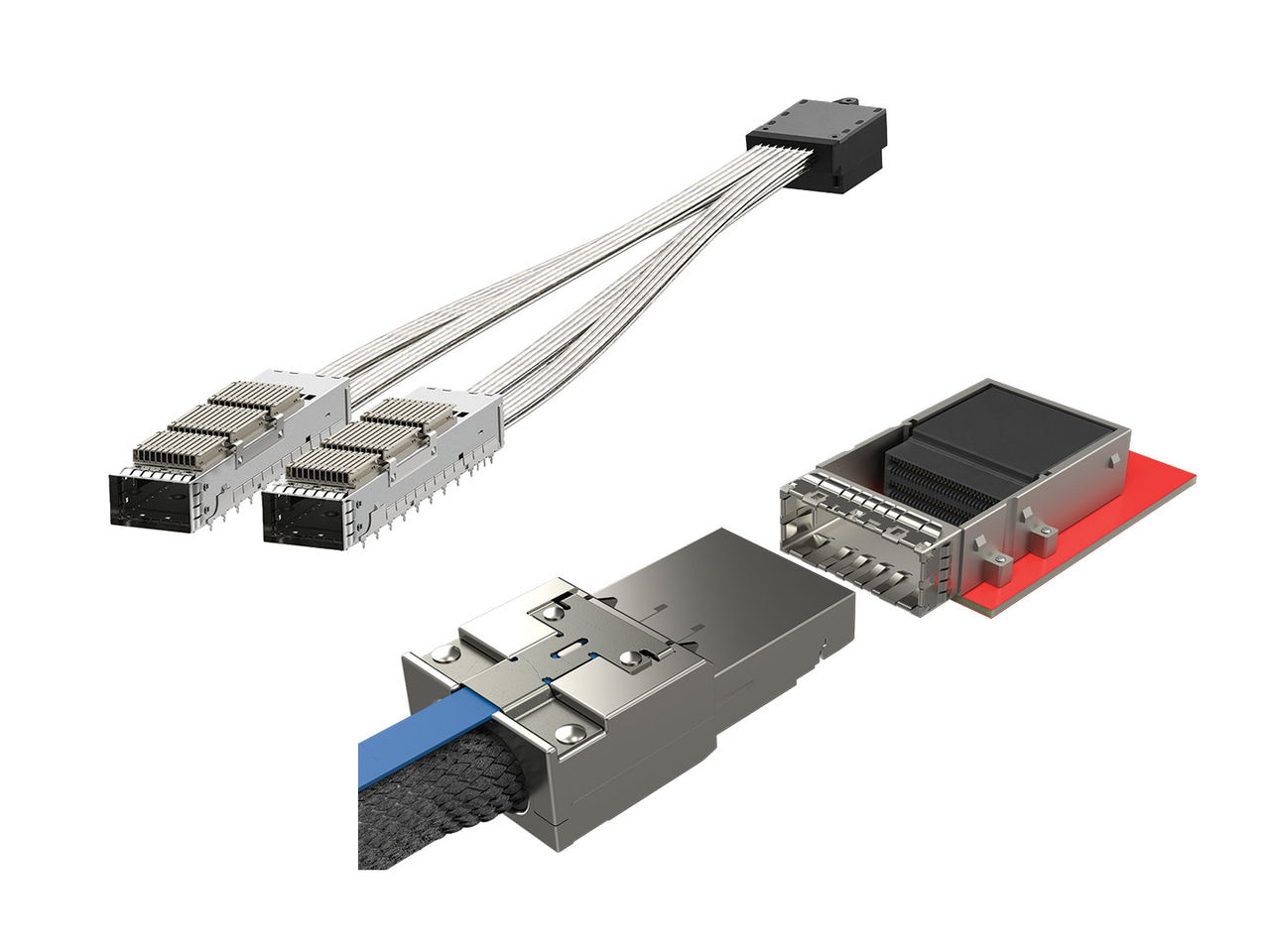
A key innovator of modular systems defined by the Open Compute Project (OCP), Molex delivers pluggable form factors with industry-leading port and bandwidth densities, along with fully shielded designs. Rack server connectors are built for both past and future PCIe generations, ensuring reliable interoperability with existing systems, with options like drop down heat sinks and floating pedestal designs providing effective heat dissipation. Molex addresses the complexities of server design with a range of innovative rack server connectivity solutions with high-density, compact footprints that simplify scaling up.