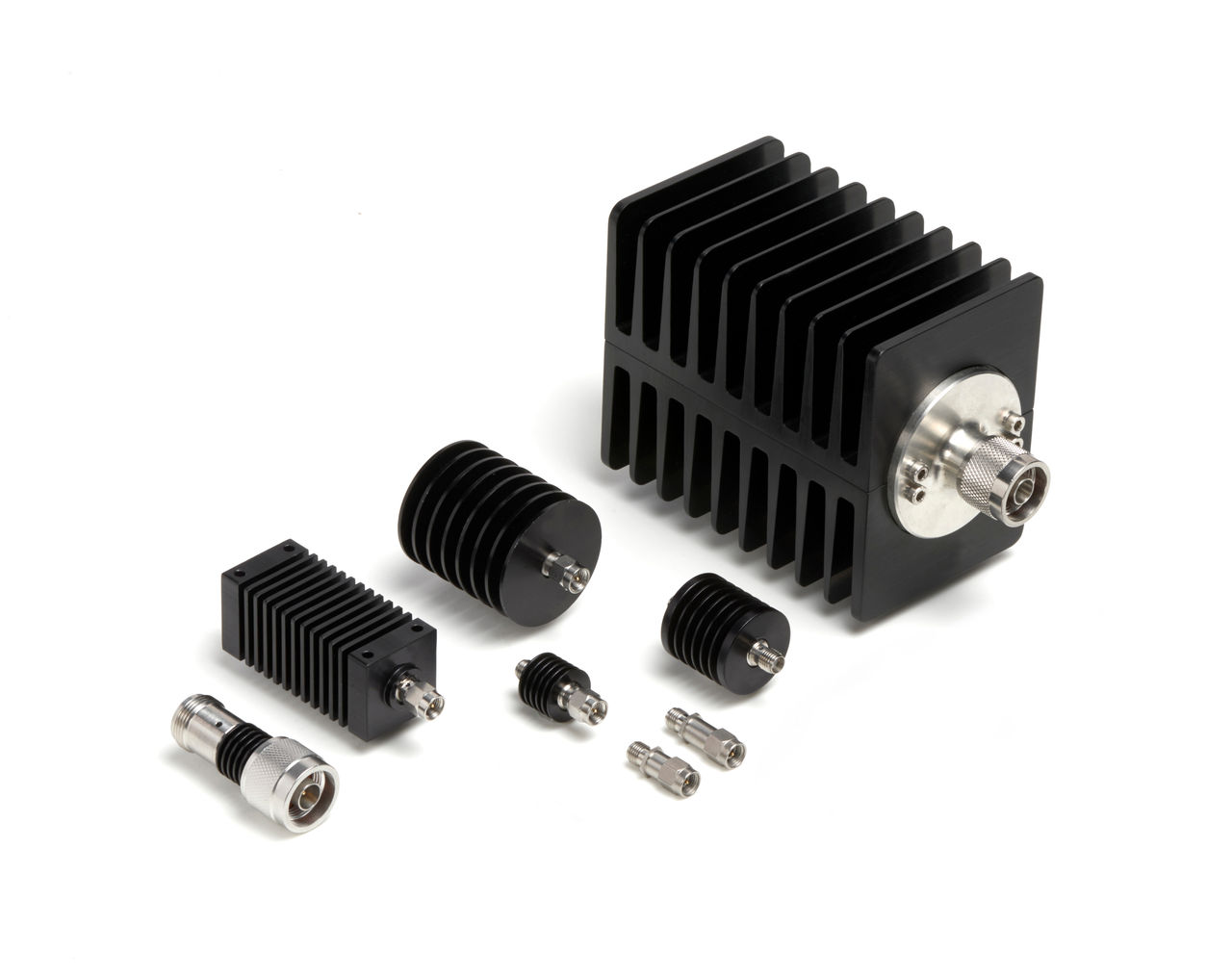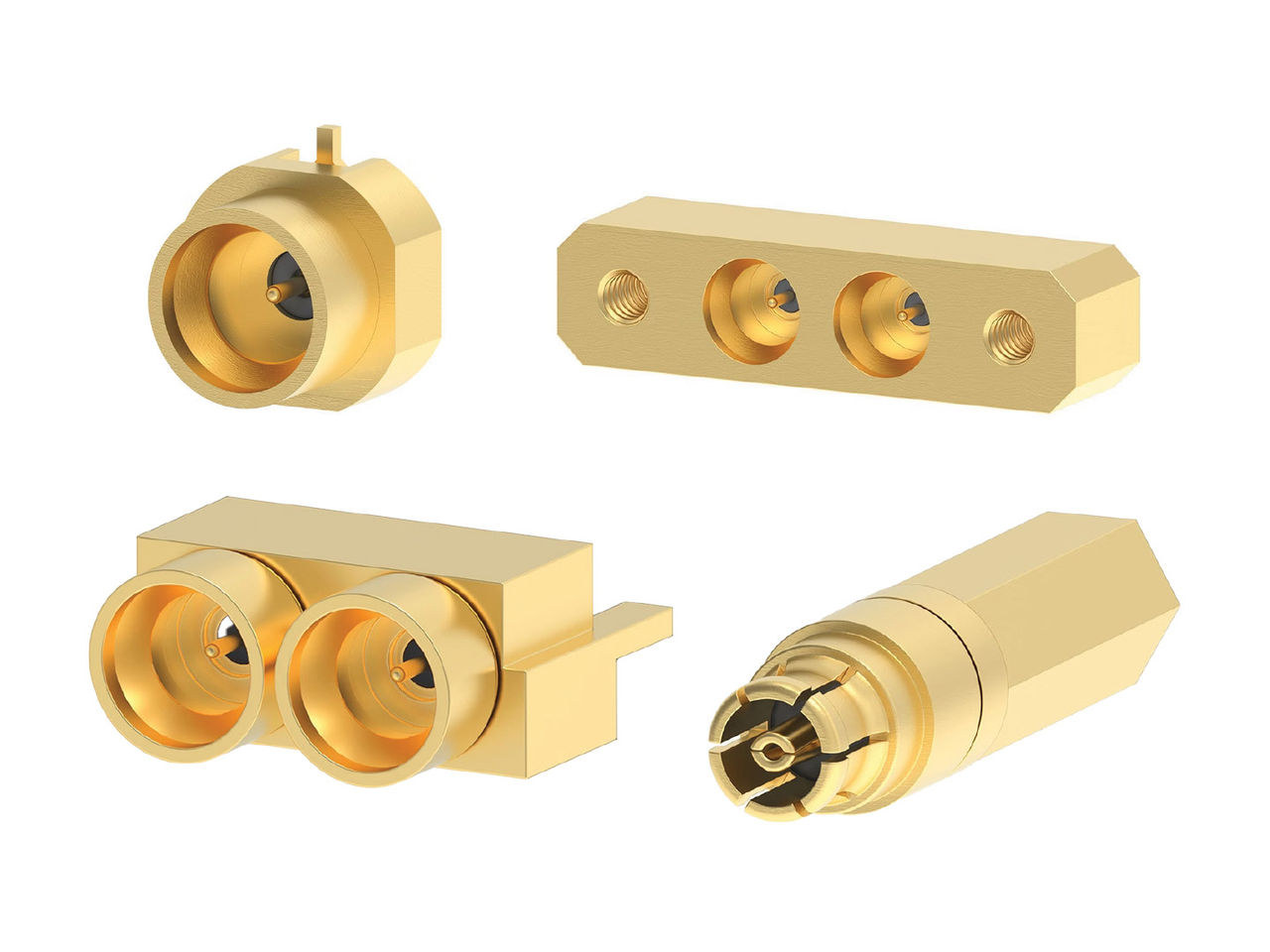

| Size | Frequencies | PCB Attachment | Durability (min.) |
|---|---|---|---|
| 1.0, 1.85, 2.4, 2.92mm | DC to 115 GHz, depending on version | Mechanical (screw) with compression mount or soldered contact | 500 cycles |
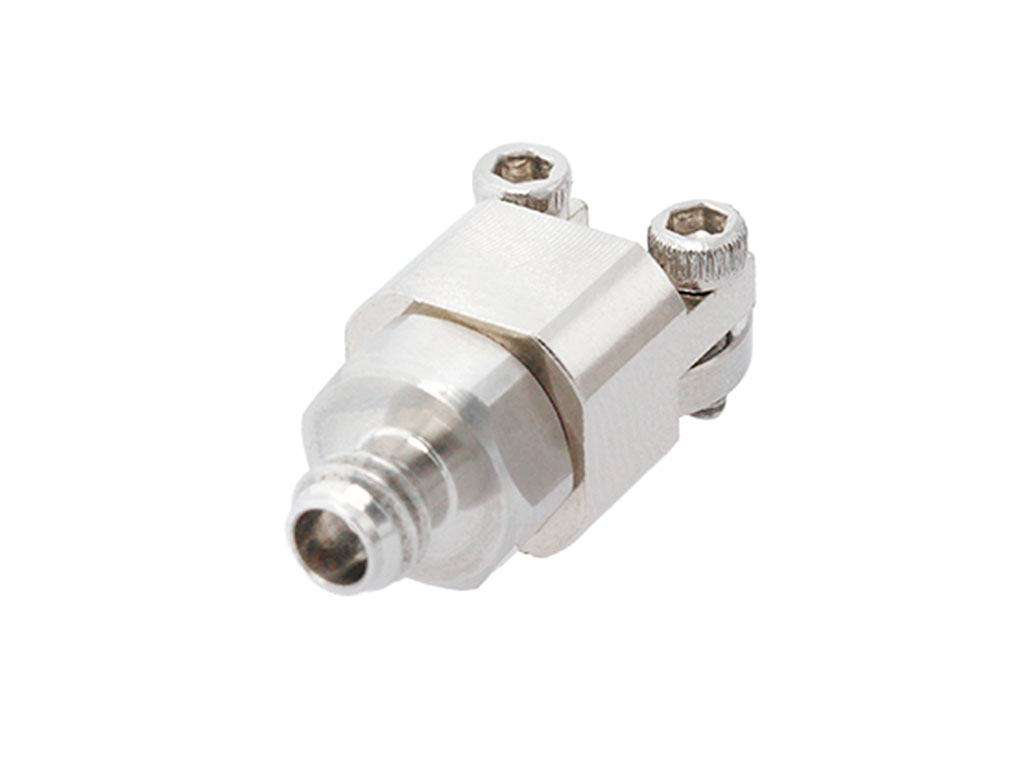
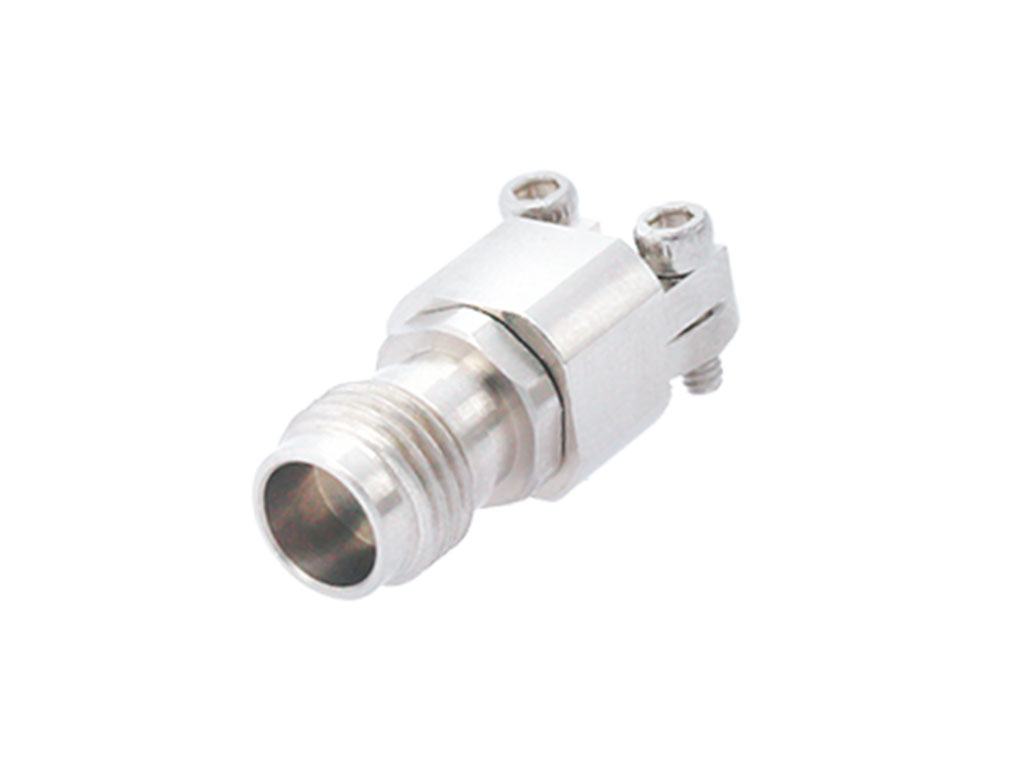
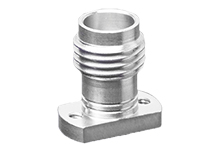
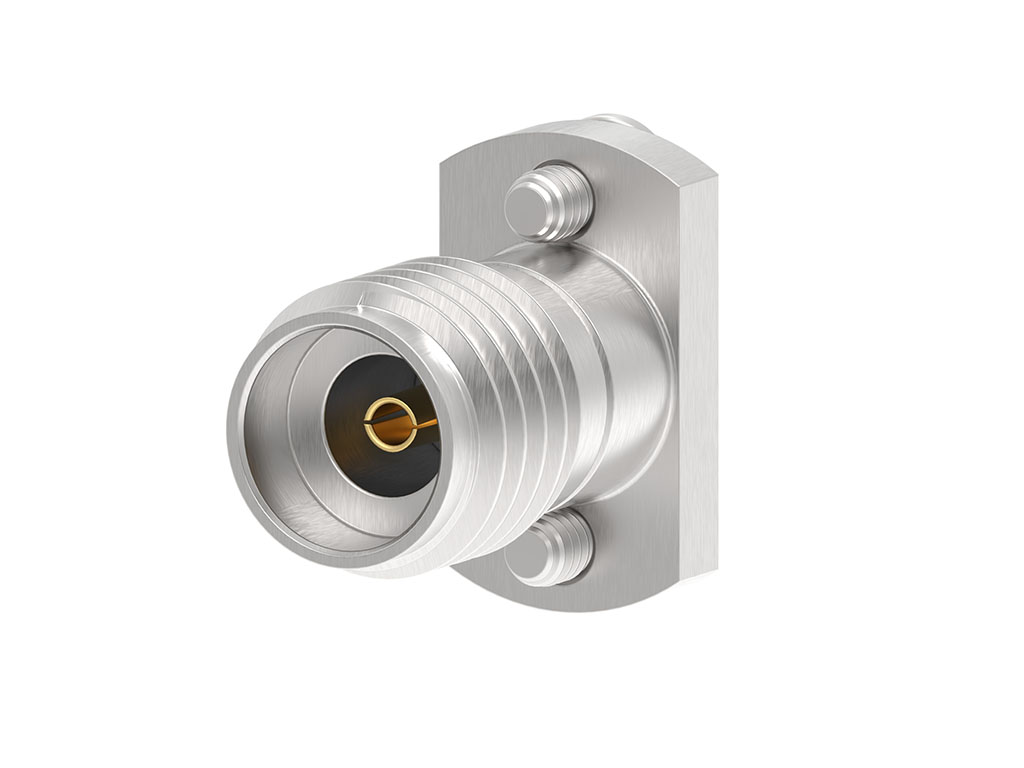
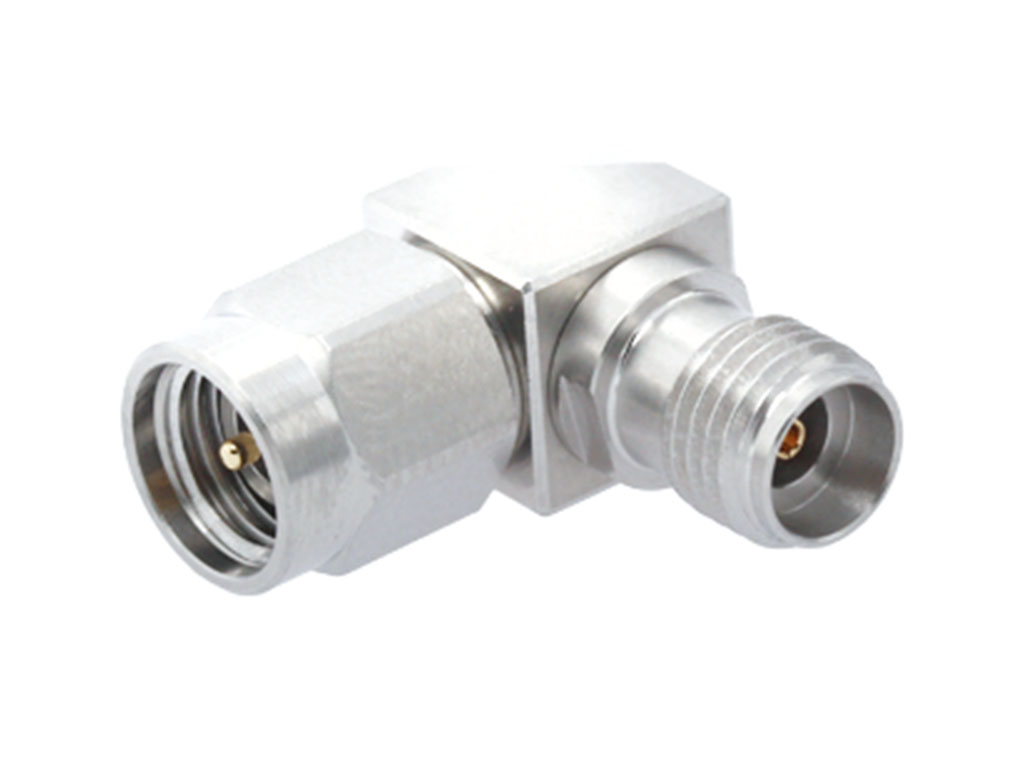
Features and Benefits
High-performance and high-frequency applications such as 5G, aerospace, and test-and-measurement systems require consistent and accurate RF connectivity. System components and interconnects must minimize interference and signal loss while withstanding harsh operating conditions or high cycle counts.
Versatile high-frequency components are necessary to enable rapid adaptation to new technological advancements. These components and connectors must ensure reliable, repeatable performance that ensures dependable operation in mission-critical applications and consistent test and measurement results.
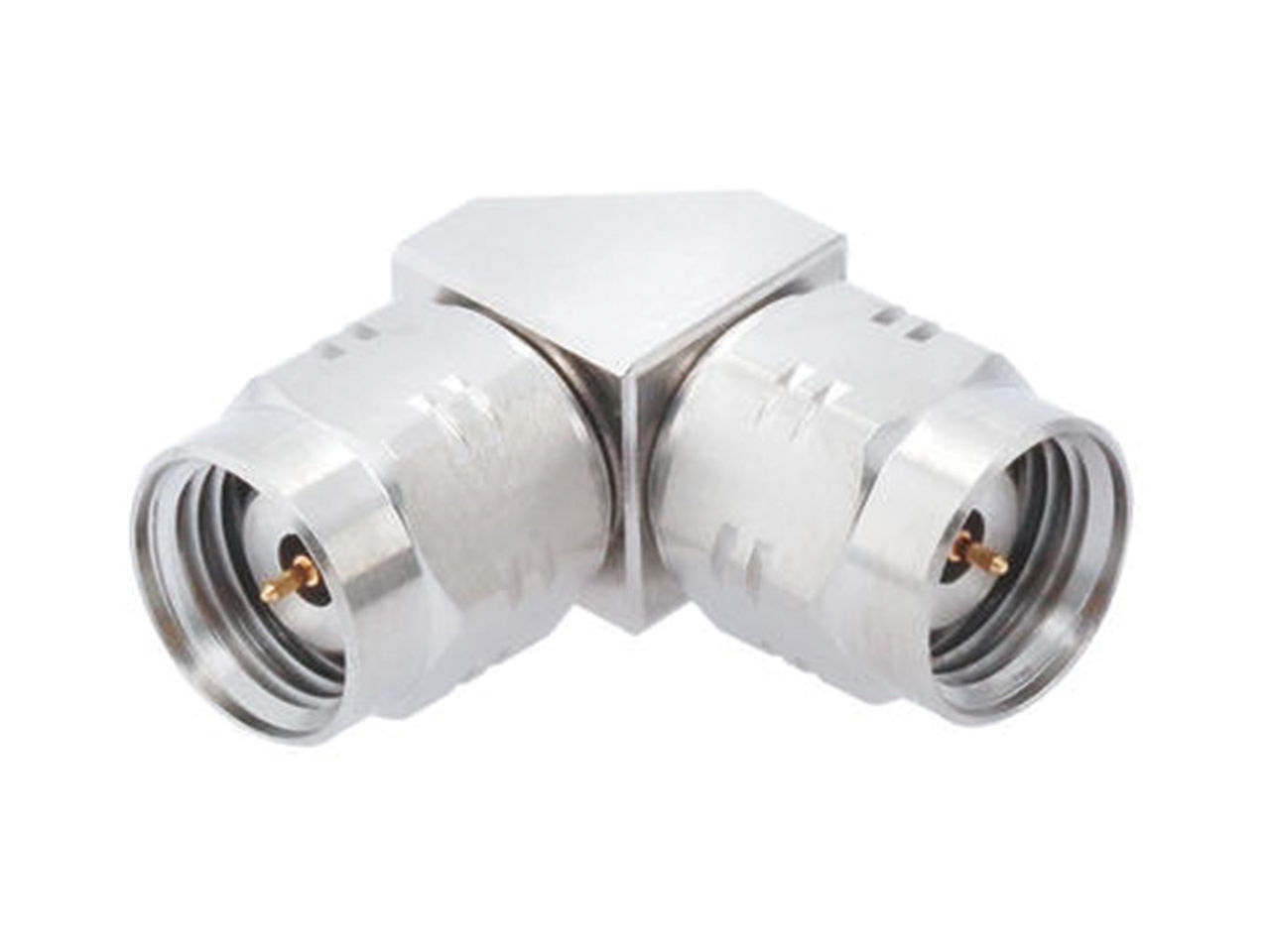
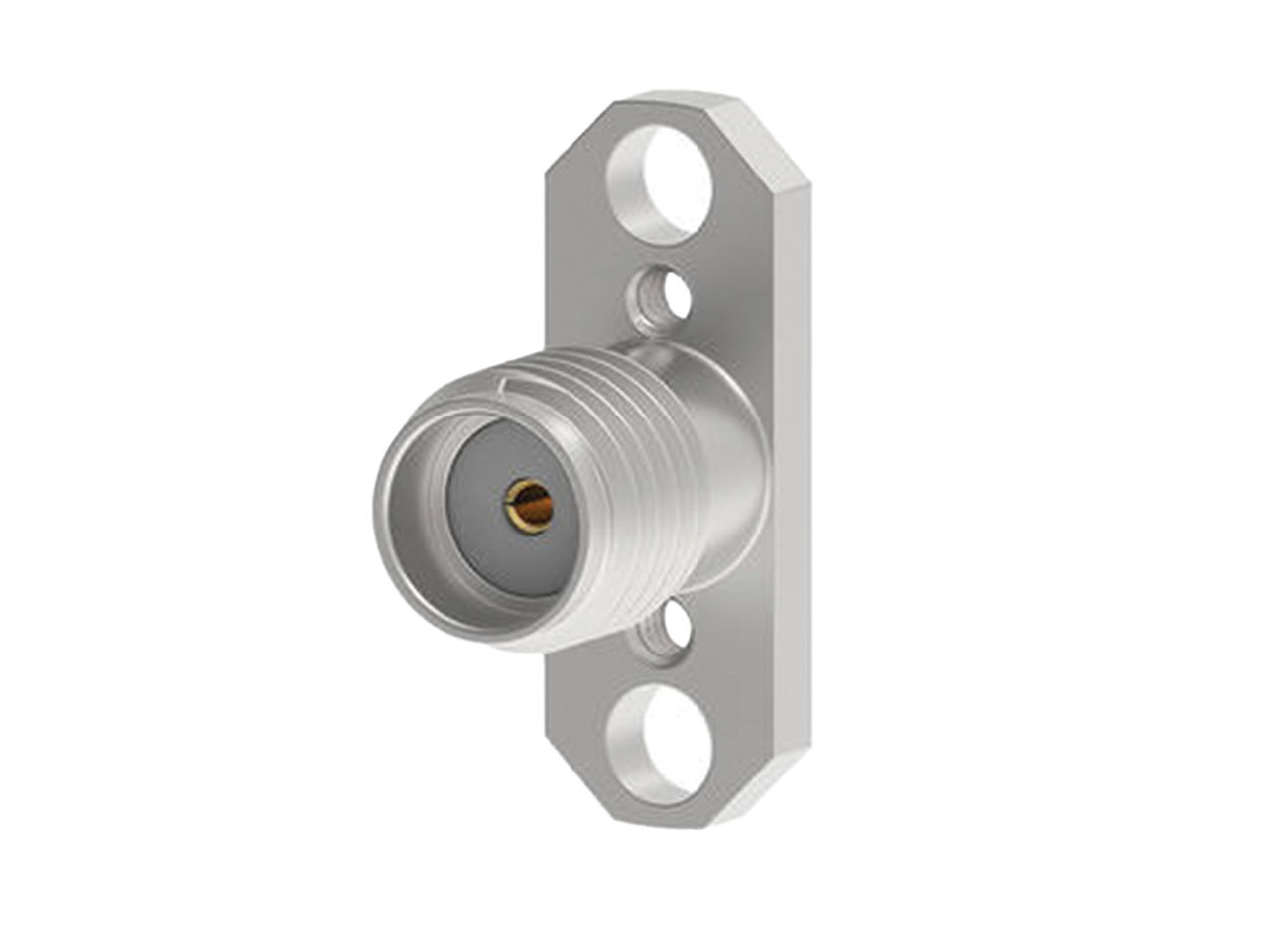
High-Frequency RF Connectors and Adapters from Molex deliver superior signal integrity at microwave and mmWave frequencies up to 115 GHz, with minimal voltage standing wave ratio (VSWR) and insertion loss. Precision engineering delivers reliable data transmission while solderless attachment streamlines assembly, minimizes errors and costs, and shortens time to market. This provides a competitive advantage by accelerating product development cycles. A wide range of connector types and configurations supports seamless integration into designs in multiple applications and industries, fostering innovation and ensuring adaptability to changing markets.
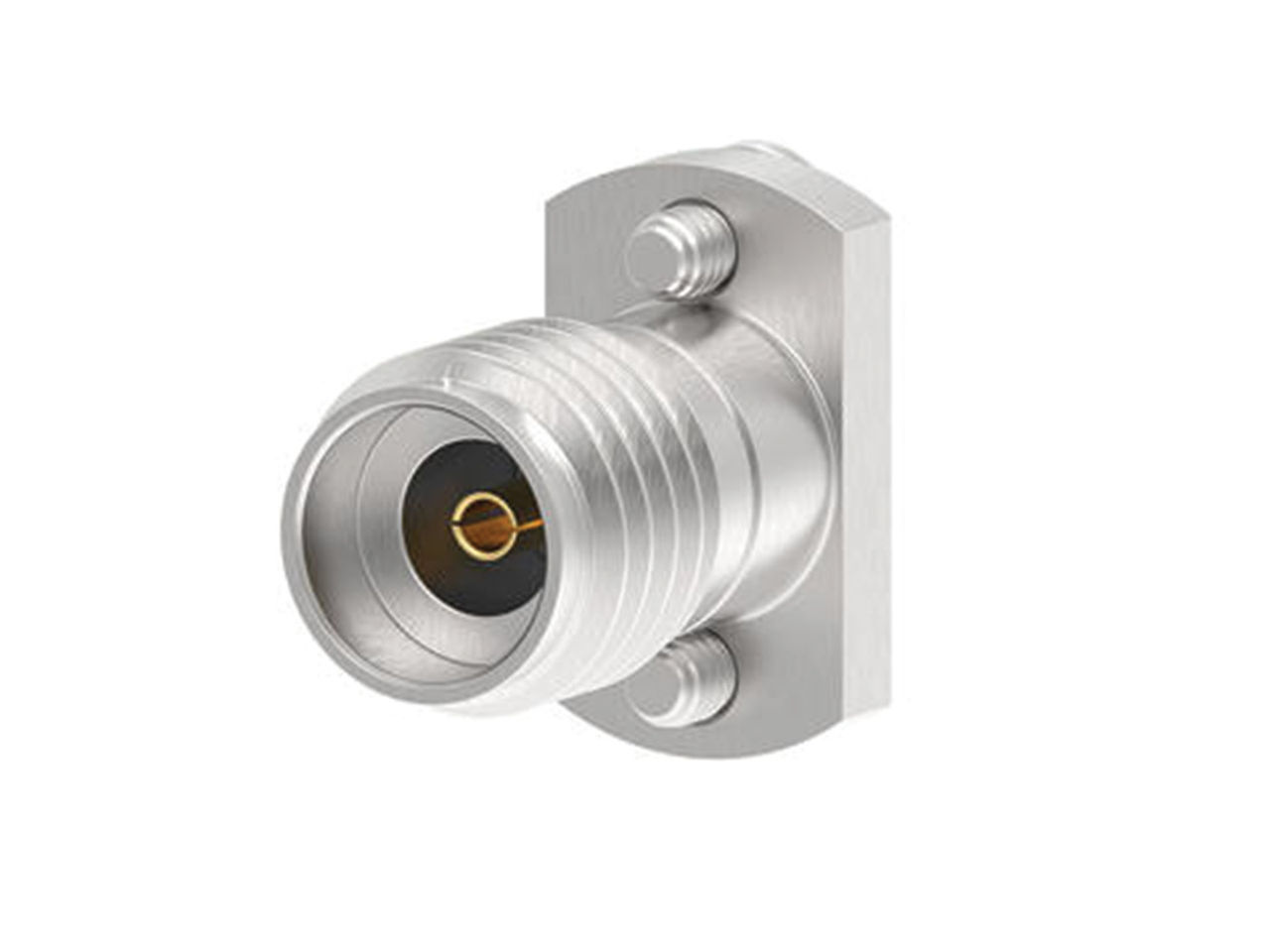
Datasheets and Guides
Applications by Industry

High-frequency and satellite communications
Radar systems

Electronic defense systems
Military communications equipment

High-frequency cabling
High-speed signal integrity test boards
Hyperscale computing architecture

5G and 6G Networks
5G microwave backhaul systems
High-speed backplanes
Point-to-point radios
Reference backplanes
Test and characterization boards
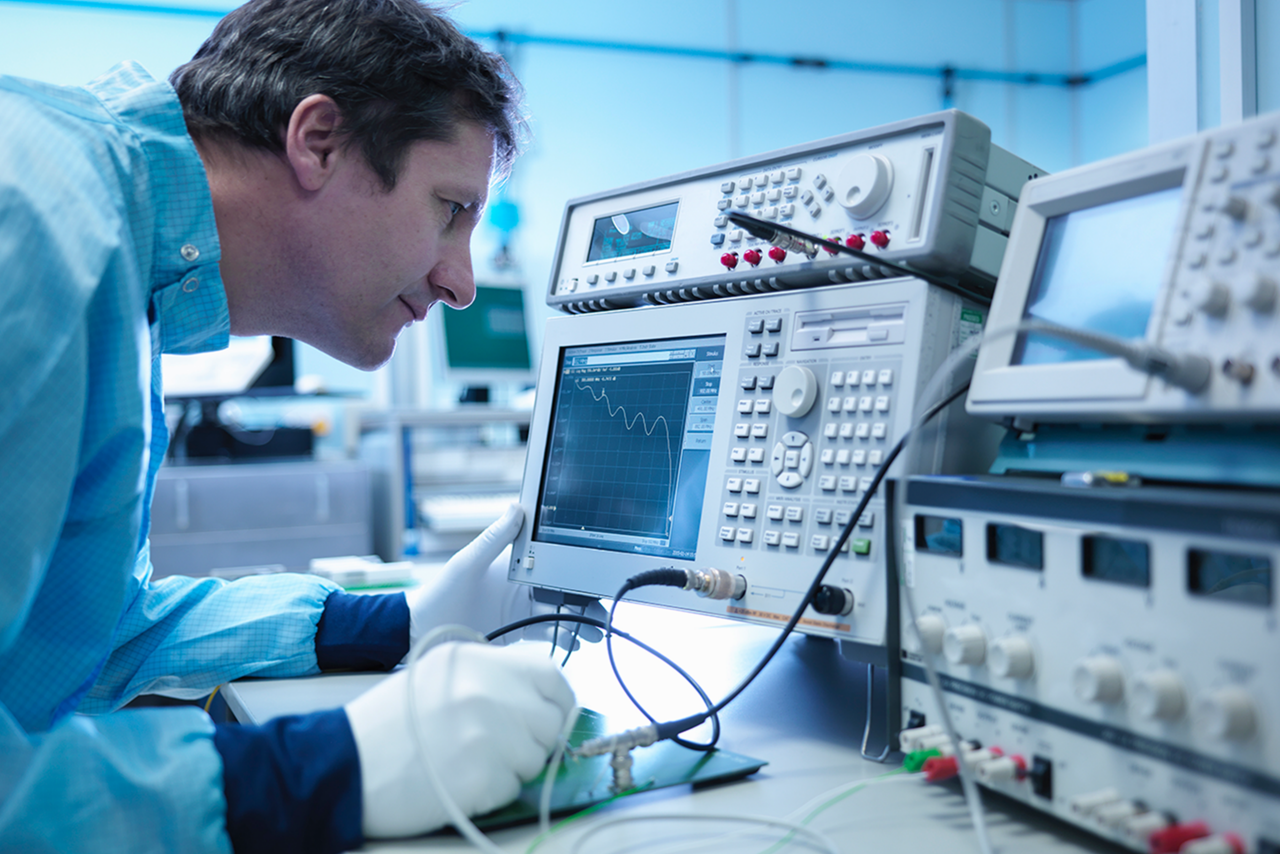
224G and 448G test equipment
Automated test equipment
Network analyzers

Benchtop test and measurement equipment
Field-portable test equipment
Semiconductor and RF component automated test equipment
This is not a definitive list of applications for this product. It represents some of the more common uses.
Frequently Asked Questions
What is a high-frequency RF connector or adapter?
A high-frequency connector or adapter is a highly engineered precision component designed to facilitate efficient signal transmission between different types of cables or equipment, particularly in high-frequency applications. These components are crafted to meet exacting technical specifications, ensuring minimal signal loss, high reliability and compatibility with various advanced electronic systems. Molex High-Frequency RF Connectors and Adapters are optimized for microwave and mmWave frequencies up to 115 GHz, with available solderless PCB attachment methods that improve adaptability and versatility.
Why is a high-frequency RF connector or adapter used?
High-frequency connectors and adapters are used to maintain the integrity of signal transmission in demanding applications such as test-and-measurement or high-frequency communication systems. They ensure that signals are transmitted with minimal distortion or loss, supporting accurate results and reliable performance, which is essential for applications requiring high precision and consistency.
What role do high-frequency connectors play in maintaining signal integrity at microwave and millimeter-wave frequencies?
High-frequency connectors are designed to minimize insertion loss and maintain a low VSWR, ensuring optimal signal integrity even at frequencies up to 110 GHz. This is crucial for reliable data transmission and performance in high-frequency applications.
What factors affect insertion loss in high-frequency connectors?
Insertion loss is influenced by connector design, material quality, surface finish, frequency of operation and the precision of the mating surfaces. At higher frequencies, even small mismatches and surface roughness can increase losses. Proper connector selection and handling help minimize insertion loss.
How important is connector repeatability and how is it measured?
Connector repeatability is crucial in test environments where connectors are mated and unmated frequently. It is typically measured by the variation in insertion loss or VSWR after multiple mating cycles. High repeatability ensures consistent performance and reliable test results.
Can I use precision adapters at frequencies beyond their specified rating?
While some adapters may physically connect, their electrical performance can degrade sharply beyond specified frequency ratings, causing increased loss, reflections or phase errors. Always consult datasheets and test data before operating at or beyond rated frequencies.
How does temperature affect high-frequency connector performance?
Temperature changes can cause mechanical expansion/contraction and affect material properties, potentially altering impedance, increasing VSWR or causing phase shifts. Precision connectors are often rated for specific temperature ranges, and these factors should be considered in system design.
What is phase stability and why is it crucial in precision connectors?
Phase stability refers to the ability of a connector or cable assembly to maintain a constant phase shift over time, temperature and flexing. It is crucial in systems like phased arrays and coherent radar, where phase errors degrade system performance.