
Modern compute platforms are generating heat loads that traditional data center cooling strategies were never designed to handle. High-density I/O modules generate heat that legacy fan-based systems struggle to dissipate, leading to thermal throttling, hardware stress and constrained system scalability. At the same time, operators face growing pressure to reduce energy consumption, limit noise and deploy cooling solutions that can evolve alongside rapidly changing hardware architectures.
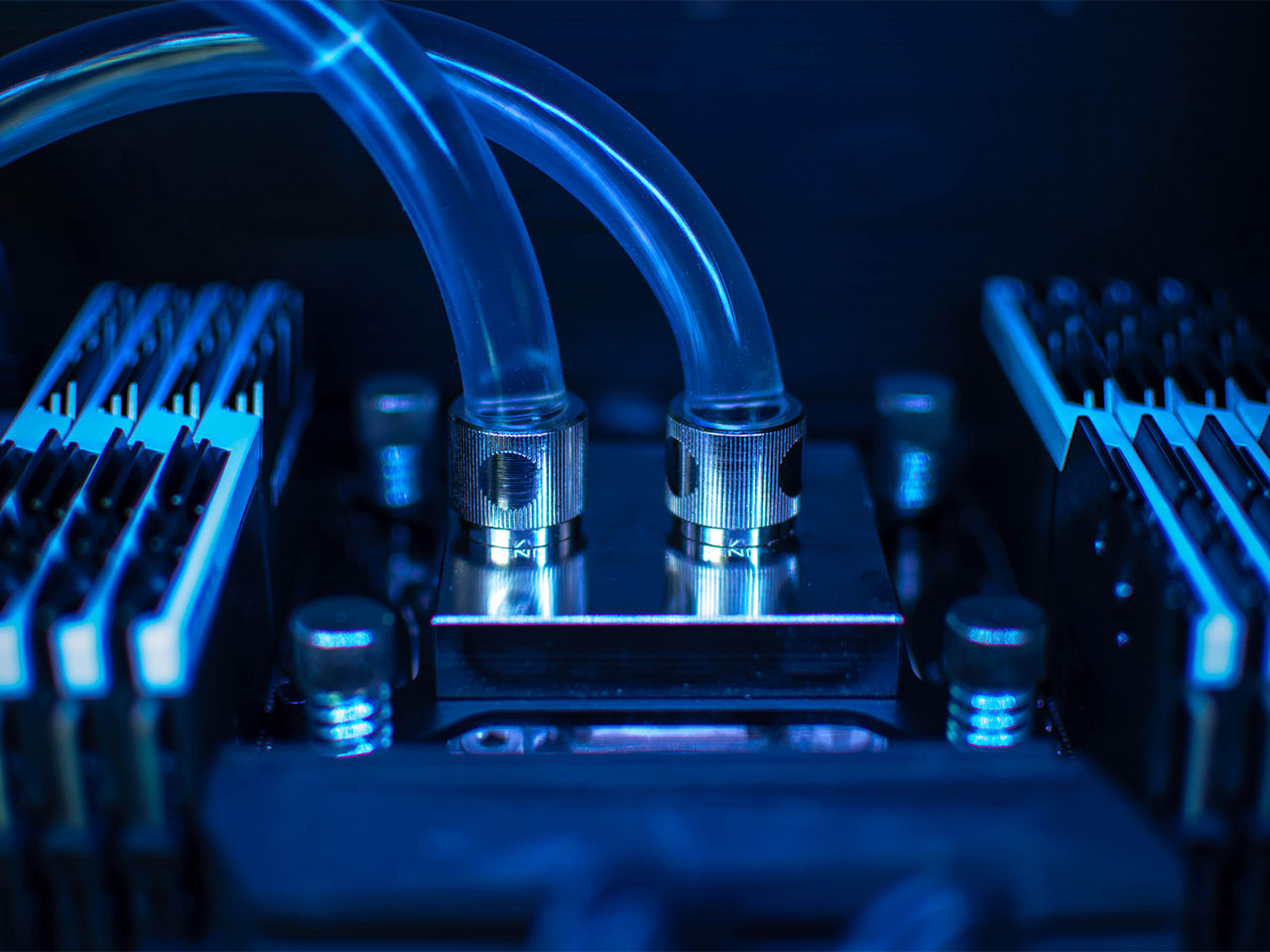
Meeting these challenges requires more advanced thermal management strategies that combine efficiency with flexibility. Liquid cooling technologies provide significantly greater heat removal capability while enabling modular designs that integrate with standard server racks. Features such as floating pedestal cold plates help maintain reliable thermal contact across multiple I/O ports, while pre-assembled cooling systems simplify deployment and reduce installation risks.
Molex addresses these needs with scalable cold plate liquid cooling platforms designed for high-density data center environments. Spring-loaded pedestal architectures maintain consistent thermal contact across multiple modules, while factory-sealed, pressure-tested assemblies integrate cold plates, manifolds and plumbing into ready-to-deploy solutions. Together, these modular building blocks allow data centers to extend cooling to front I/O and transition from air to liquid cooling without redesigning the entire rack infrastructure.