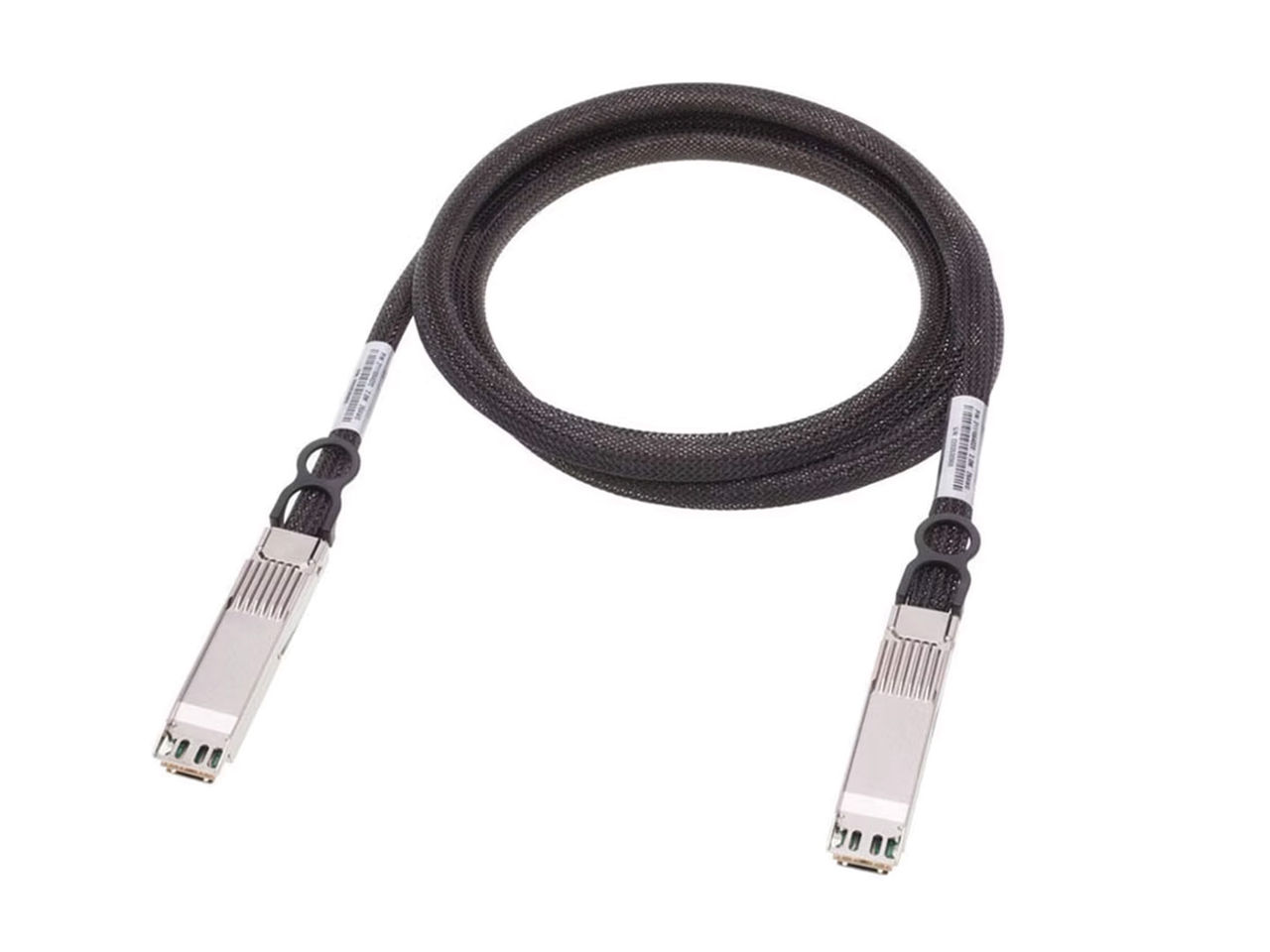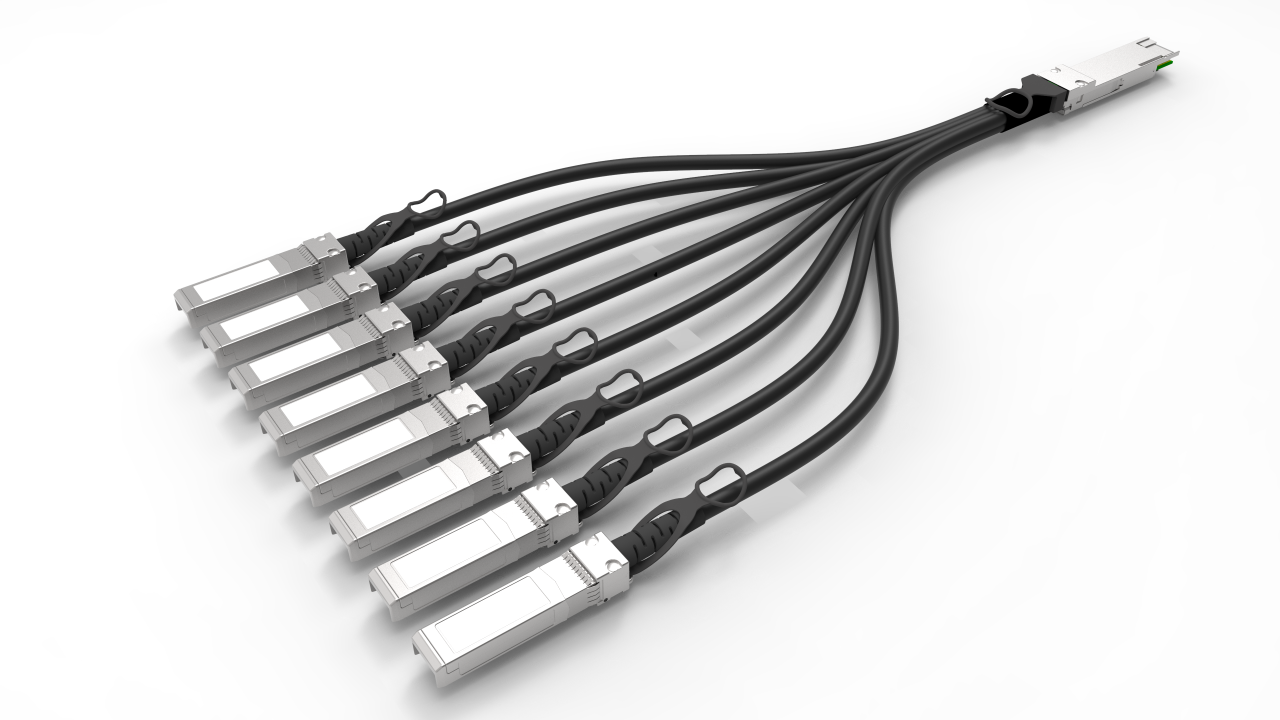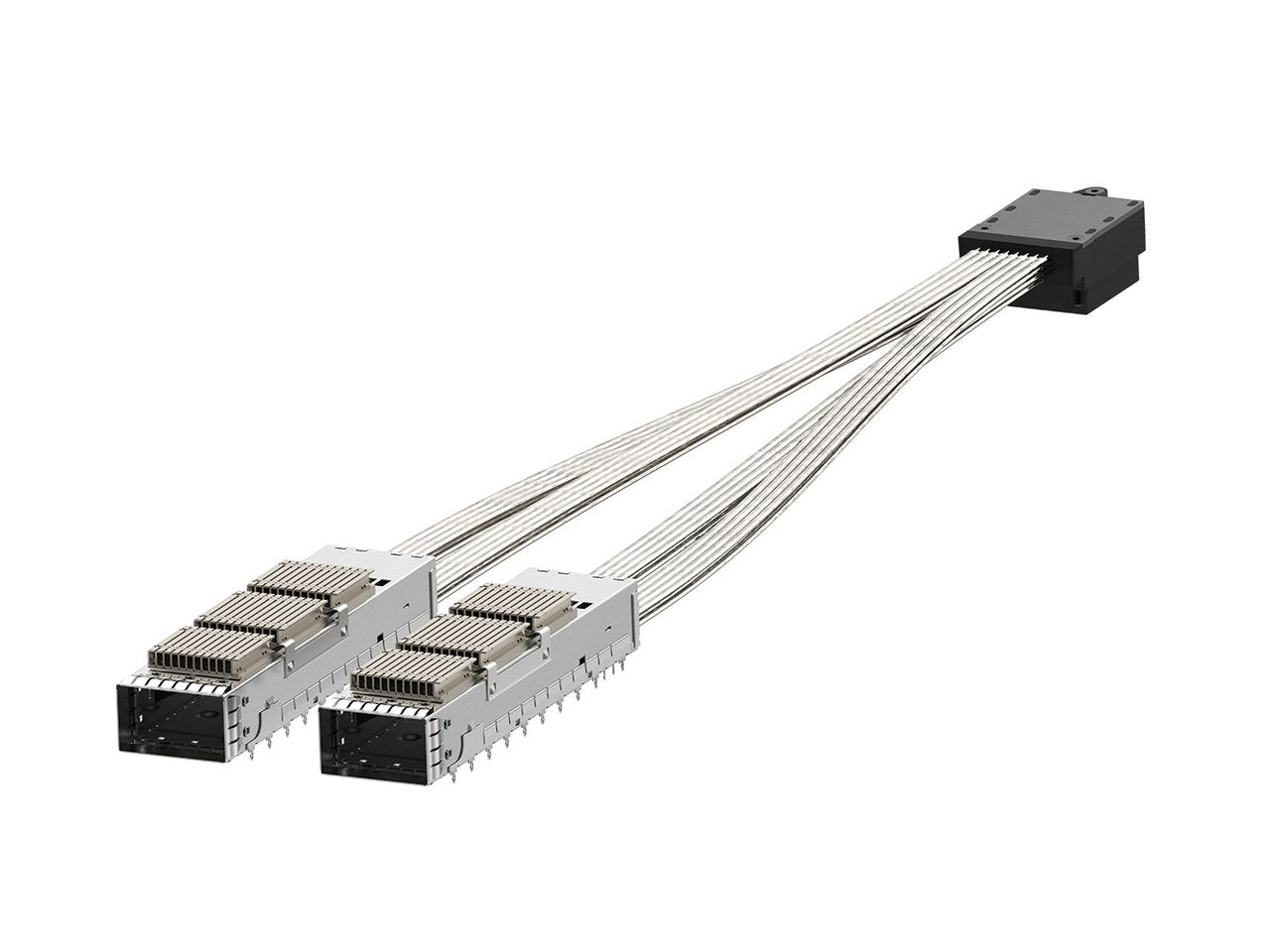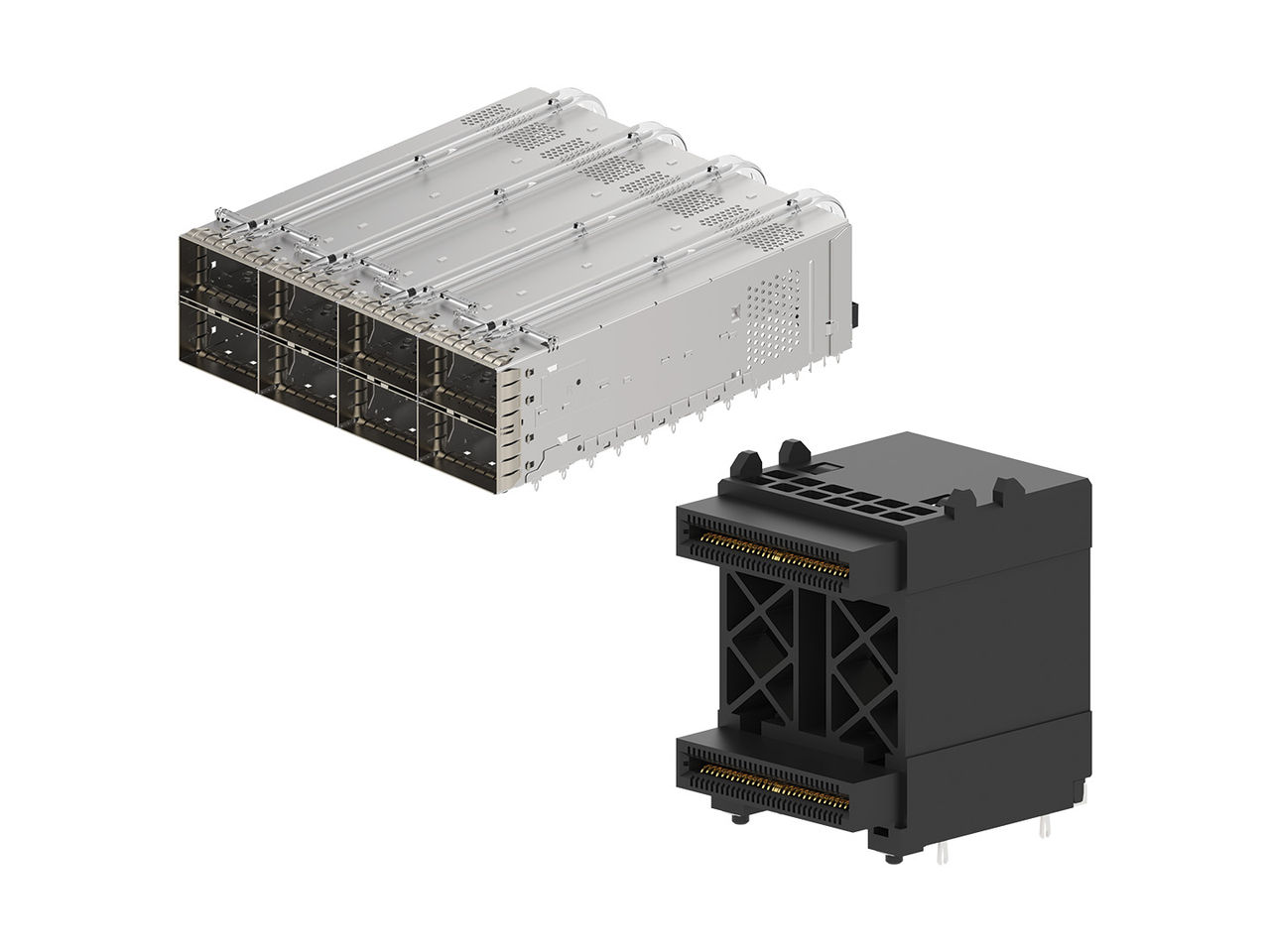
Active electrical cables with interconnects.

Active Electrical Cable Solutions

As data centers evolve to support higher data rates and improved signal integrity, flexible cable solutions are essential for optimizing performance, cost and thermal efficiency. High-speed, pluggable Active Electrical Cables (AECs) leverage integrated retimer technology to extend copper reach beyond passive limits. These cables deliver design flexibility and low-loss performance at speeds up to 224G PAM-4, without the cost or complexity of optical interconnects.

Data Rate Wire AWG Backshells Re-timers
Up to 1.6Tbps 34 to 26 AWG OSFP-IHS/RHS, QSFP/DDQ all MSA types Multiple chip partner options available

Features and Benefits


As AI workloads drive unprecedented demand for data center capacity, cable solutions must deliver higher data rates, superior signal integrity and exceptional reliability. High-speed cables require extended reach to support diverse within-rack and between-rack configurations, enabling higher bandwidth and throughput while minimizing space constraints and design complexity. Cost control across components and installation remains equally crucial.

AECs leverage integrated retimer technology to transmit high-speed signals over longer distances, across a wide range of data center applications. Retimers restore signal quality and timing integrity at each hop, while hot-swappable form factors reduce system downtime during upgrades and maintenance.

AECs from Molex deliver reliable high-speed connectivity beyond the reach of passive copper cables across 112 and 224G applications, supporting AI-driven capacity upgrades while managing component and installation costs. Fine-gauge wire options ranging from 34 to 26 AWG simplify cable routing and improve thermal management, while compact interconnect form factors maximize port density in space-constrained environments. With multiple retimer configurations and aggregate data rates up to 1.60Tbps, AECs scale to meet the specific performance requirements of modern AI infrastructure.
Cost-Effective Extension of High-Performance Copper Interconnects

AECs use integrated retimer technology to restore signal quality and timing integrity, enabling reliable transmission beyond the reach of passive copper cables across both 112 and 224G applications up to 7 meters. AECs from Molex deliver the design flexibility and signal integrity required for next-generation data center architectures at a significantly lower cost than optical alternatives.

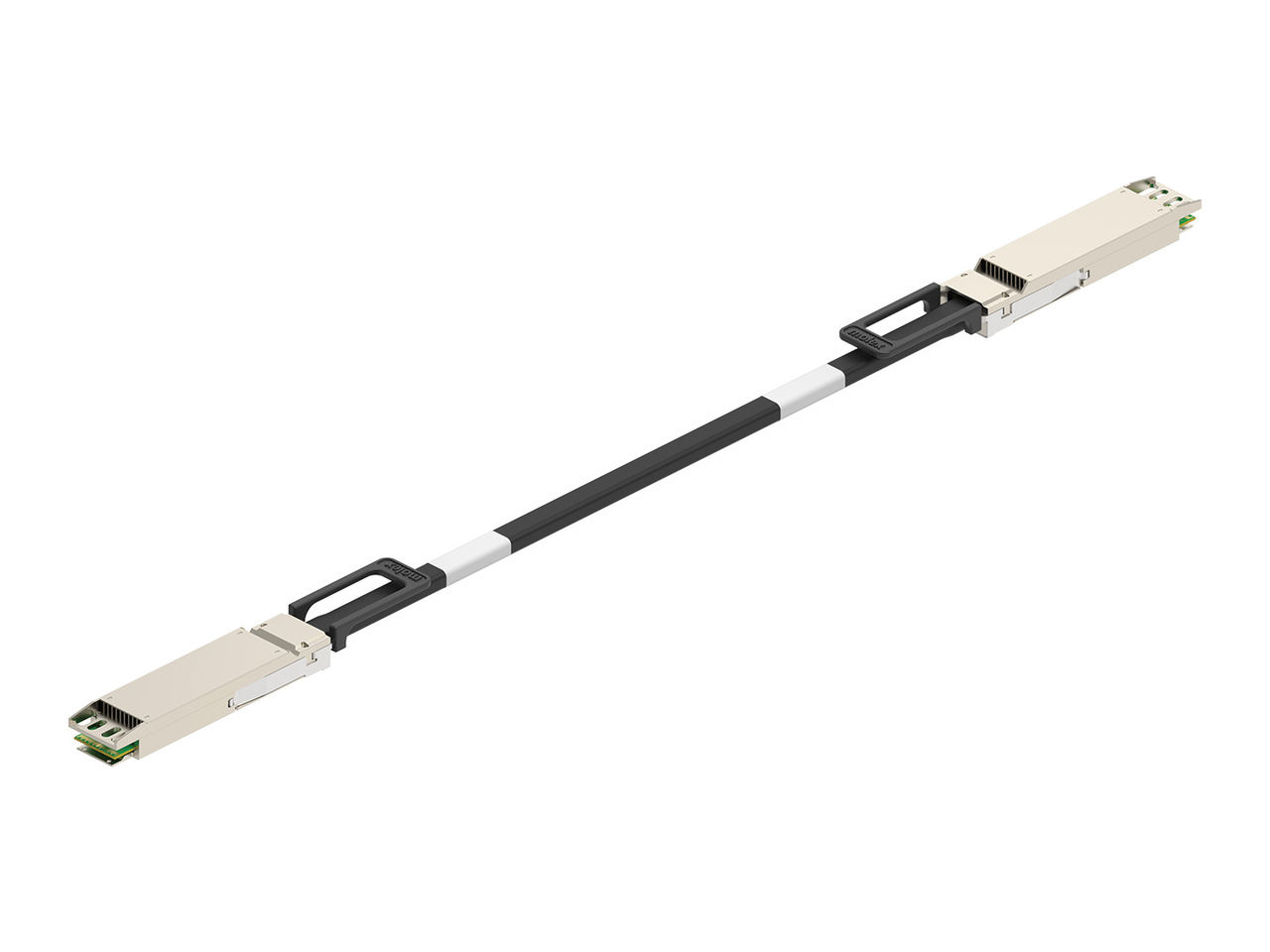
Molex OSFP-to-OSFP active electrical cable (AEC).

Improves Signal Integrity for High-Speed Applications

AECs from Molex are engineered to support high-performance data transmission with a pre-forward error correction bit error rate (pre-FEC BER) as low as 1E-12, depending on the application configurations. By minimizing noise and crosstalk while reducing signal drive requirements across the channel, these cables simplify system design and lower the engineering burden for high-speed deployments.

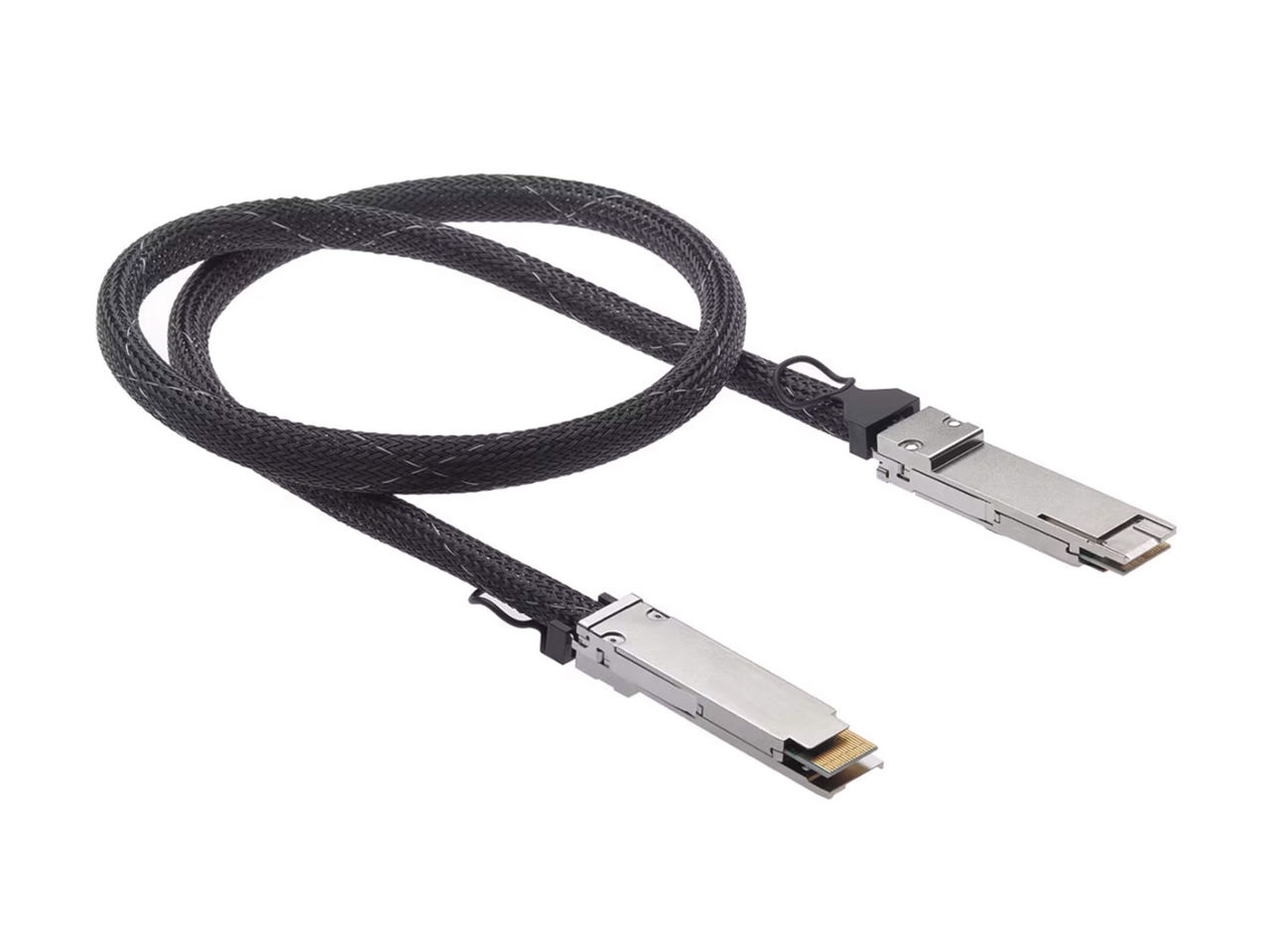
Molex QSFP-DD active electrical cable (AEC).

Optimization of Cable Bundles for Easier Routing and Thermal Management

Compared to heavier direct-attach copper (DAC) cables, AECs from Molex support more efficient signal transmission through finer-gauge wire, with cable options ranging from 34 to 26 AWG. Smaller bundle sizes improve cable routing flexibility, enhance airflow and contribute to better overall thermal management in high-density data center environments.

Molex OSFP active electrical cable (AEC).

Enhances system architecture flexibility
Depending on the configuration, Molex AECs extend copper cable reach beyond passive limits across 112 and 224G applications, expanding design options and reducing system architecture constraints.

Delivers superior signal integrity
Molex AECs minimize noise and crosstalk while reducing signal drive requirements across the channel, supporting a pre-FEC BER as low as 1E-12, depending on the application.

Simplifies installation and maintenance
Hot-swappable cables streamline maintenance operations, minimize system downtime and simplify field upgrades in active data center environments.

Enables high-density, high-speed performance for next-generation applications
Available in four-lane QSFP, eight-lane OSFP and QSFP-DD form factors, these cables support cost-effective, low-loss operation at speeds up to 224G PAM-4 and beyond, delivering port bandwidth up to 1.60Tbps. This scalable interconnect architecture delivers the port density and throughput required to meet AI-driven data center demands without the cost or complexity of optical alternatives.

Reduces the cost of longer-reach, high-speed connectivity
Compared to fiber-optic alternatives such as active optical cables (AOCs), these cables deliver high-performance data transmission at a significantly lower cost, while avoiding the fragility or complexity of optical interconnects.

Improves thermal management and eases cable routing
Fine-gauge wire options ranging from 34 to 26 AWG enable smaller, more manageable cable bundles that improve airflow, enhance thermal performance and reduce bend radius to simplify routing in high-density deployments.


Active Electical Cable (AECs) with Re-Timers
Lane Speed Bandwidth Retimer Form Factor
End 1
Form Factor
End 2
Length (m) Product Brief
Straight Cables
224G PAM-4 1.6T Broadcom OSFP OSFP 1.0 to 3.0  
224G PAM-4 1.6T Marvell OSFP OSFP 1.0 to 3.0  
112G PAM-4 800G Marvell OSFP OSFP 1.0 to 7.0 Document Download
112G PAM-4 800G Marvell QSFP-DD QSFP-DD 1.0 to 7.0 Document Download
112G PAM-4 800G Broadcom OSFP OSFP 1.0 to 7.0 Document Download
112G PAM-4 800G Broadcom QSFP-DD QSFP-DD 1.0 to 7.0 Document Download
112G PAM-4 800G Point2 OSFP OSFP 1.0 to 7.0  
112G PAM-4 800G Point2 QSFP-DD QSFP-DD 1.0 to 7.0  
PCIe 5.0 800G Astera Labs OSFP-XD OSFP-XD 1.0 to 4.0  
Y Cables
112G PAM-4 800G Marvell OSFP 2 QSFP 1.0 to 7.0  
112G PAM-4 800G Marvell QSFP-DD QSFP 1.0 to 7.0 Document Download
112G PAM-4 800G Broadcom QSFP-DD 2 QSFP 1.0 to 7.0  

Podcasts


Active Electrical Cables: Next Generation Plug-and-Play Connectivity

David Pike, known as the Connector Geek, discusses the features, benefits and potential of AECs, including how they can enable cost-effective data center upgrades while addressing common problems like signal integrity and thermal management.

AEC vs. DAC Solutions: A Side-by-Side Comparison

Learn how AECs support high-density applications and what makes them viable solutions when compared with DACs and optical products. Discover how AECs and DACs can coexist in designs that play to the strengths of each application.

Maximizing Cable Rack Architecture

Speed, capacity and flexibility are primary concerns in rack architecture design. AECs hold the key to optimizing system architecture, enabling data centers to increase capacity in a cost-effective way while reducing energy consumption and ensuring thermal management.

Application by Industry


Cloud infrastructure
Edge-computing infrastructure
Enterprise infrastructure

This is not a definitive list of applications for this product. It represents some of the more common uses.

Frequently Asked Questions


What is an Active Electrical Cable (AEC)?

An AEC is a copper cable that uses an electronic re-timer circuit to regenerate signals, enabling a longer reach than passive DACs or linear amplifier-equipped active copper cables (ACCs).

What is the difference between AECs and ACCs?

The main difference is that AECs use a retimer to clean, reshape and amplify signals while ACCs use linear amplifiers that amplify the signal along with any noise. While AECs offer superior signal integrity and can extend transmission distances significantly compared to ACCs, the active cables offer a lower cost option that is better suited for shorter distances where signal integrity is less critical.

How can AECs help with thermal management?

AEC re-timers enable more efficient signal transmission over smaller conductors. This results in cabling from 34 to 26 AWG, allowing increased airflow and reduced thermal issues.