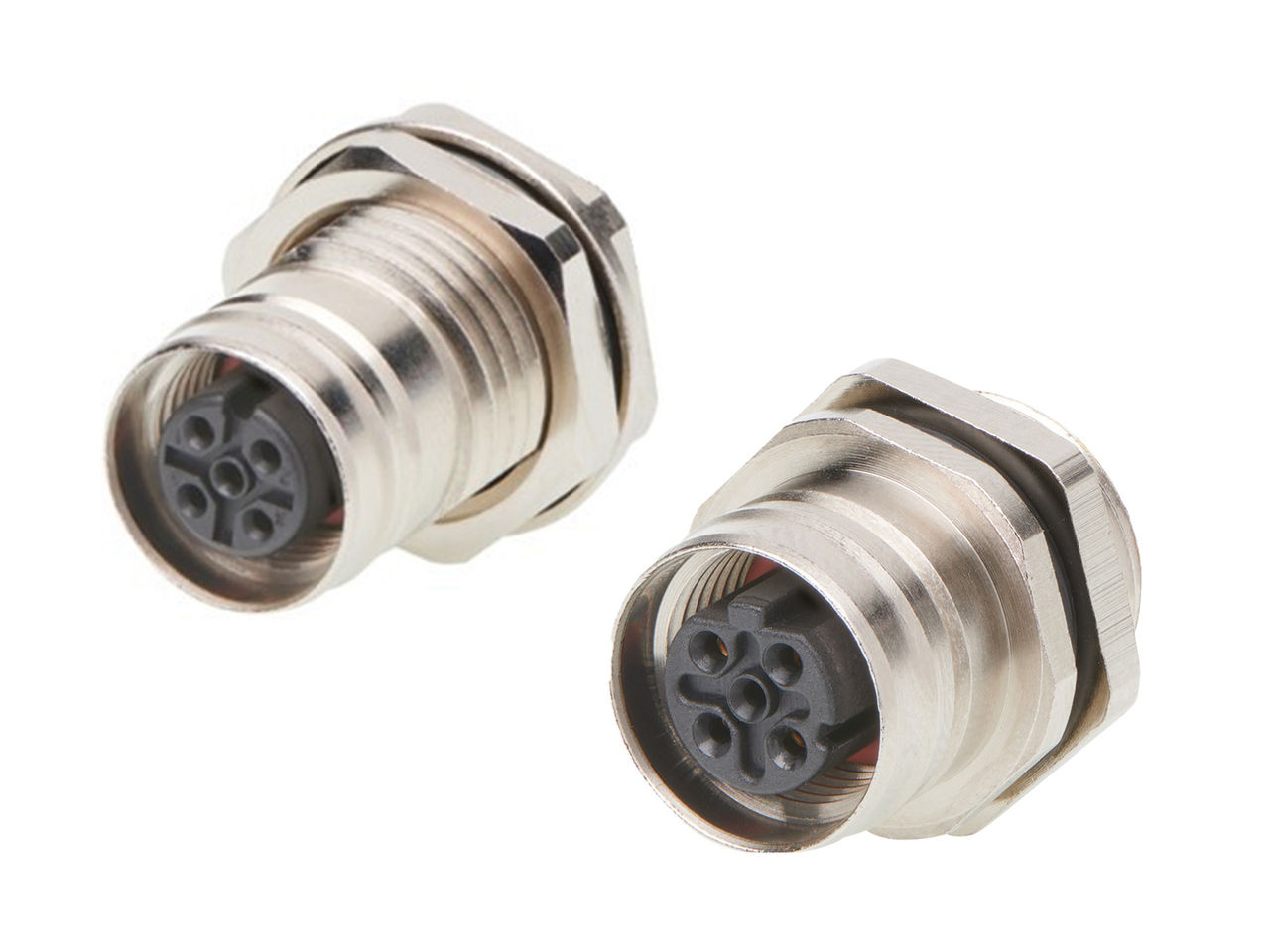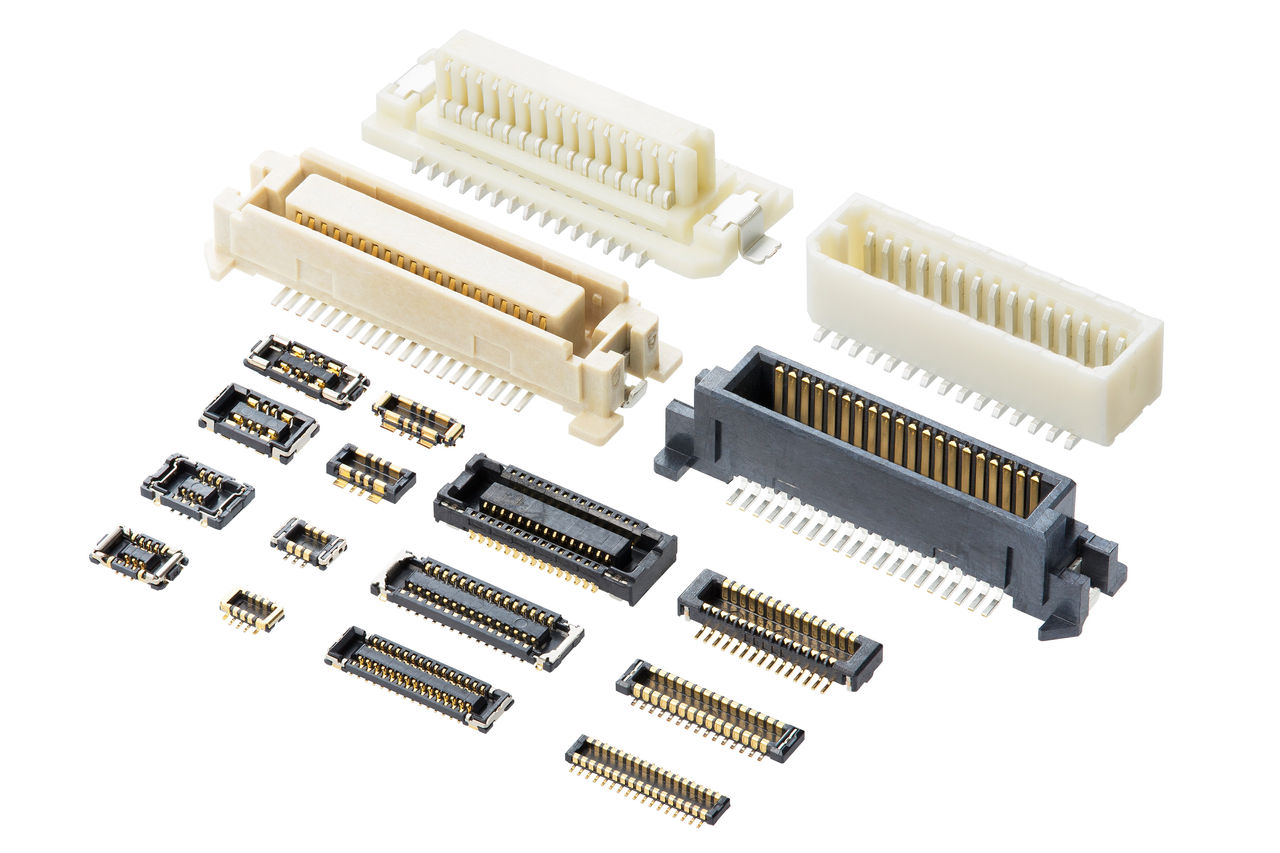
Connectivity Opportunities for Improved AMR Design
Designing AMR electrical systems involves the complex task of maximizing energy density in compact, lightweight architectures without compromising signal integrity and electromagnetic Interference (EMI) immunity. Mechanical robustness is vital across AMR assemblies to withstand vibration and dynamic mechanical loads during continuous operation, ensuring dependable function in industrial environments.
To facilitate autonomous operation, AMRs rely on low-loss interconnects that deliver efficient, space-saving power distribution. High‑speed, resilient interconnects provide time‑sensitive communication, allowing AMRs to maintain reliable wired and wireless connections across battery management, control sensing and safety subsystems.
Through its broad portfolio of compact, high-performance connectivity solutions, Molex enables AMRs to maximize power efficiency while safeguarding signal integrity. These solutions support scalable, mechanically robust AMR platforms, maintaining consistent performance in challenging industrial applications.
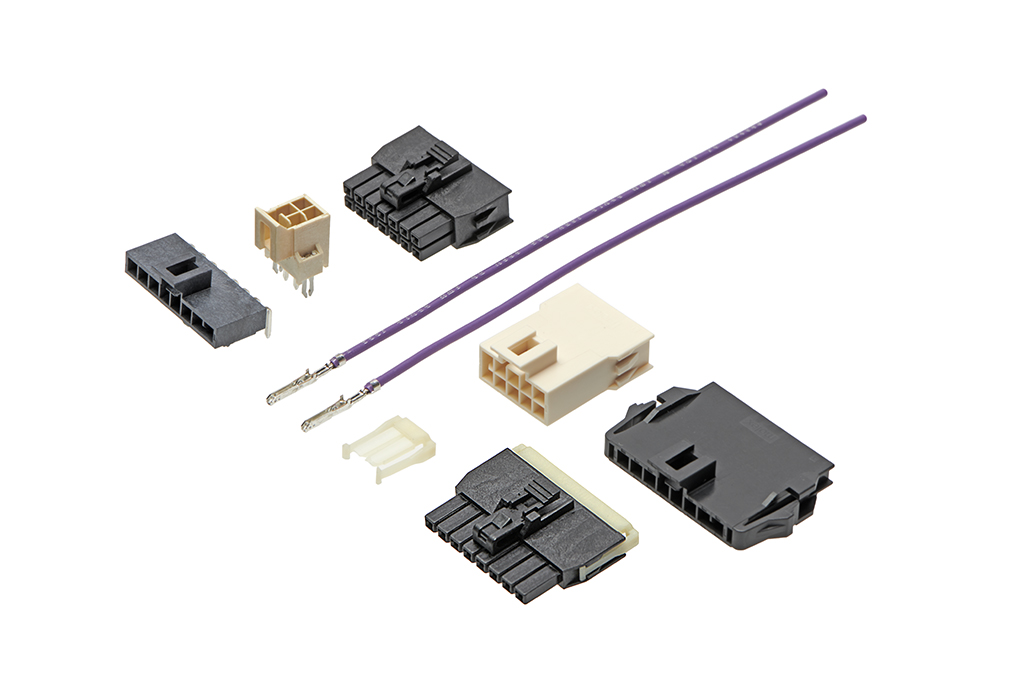
Featured Products
Autonomous Mobile Robot Main Controller
AMR main controller design involves the challenge of integrating a compact, vibration‑resistant architecture that provides stable power, high‑integrity data and control communications between sensors, actuators and compute modules. AMR platforms maintain dependable communication and electrical stability by incorporating rugged, sealed connectors and combined power and signal interfaces in compact and secure configurations. By leveraging Molex high‑current, high‑density connectivity solutions, design engineers achieve industrial‑grade sealing and reliable power and signal delivery within space-constrained PCB footprints.
| Configuration | Pitch | Current (max.) | Wire Gauge | Voltage (max.) | Operating Temperatures | |
|---|---|---|---|---|---|---|
| Mega-Fit Connectors | Wire-to-board | 5.70mm | 30.0A | 16 to 10 AWG | 600V | -40 to +105°C (tin), -40 to +120°C (gold) |
| Micro-Fit Connectors | Wire-to-board | 3.00mm | 13.0A | 30 to 18 AWG | 600V | -40 to +125°C |
| Mini-Fit Connectors | Wire-to-board | 4.20mm | 13.0A | 28 to 16 AWG | 600V AC/DC | -40 to +125°C |
| Nano-Fit Connectors | Wire-to-board | 2.50mm | 8.0A | 26 to 20 AWG | 250V | -40 to +125°C |
| Current (max.) | Voltage (max.) | Operating Temperatures | Data Transfer Speed | Data Rate | |
|---|---|---|---|---|---|
| HSAutoLink C Interconnect System | 1.25A | 48V | -40 to +105°C | Up to 40Gbps | |
| M12 Connectors | 4.0A | 250V | |||
| MXP120 Connector System | 13.0A | 14V DC | -40 to +125ºC | ||
| Micro SD Connectors | 0.5A | 100V DC | -20° to +85°C | ||
| Nano-Change M8 Connectors | 4.0A | 60V AC/75V DC | |||
| USB Type-C Connectors | 6.0A | 48V | -30 to +85°C; -40 to +85°C | Up to 40Gbps |
Autonomous Mobile Robot Battery Management
The challenge in AMR battery management system design is managing high‑current charging while safeguarding against overheating and its cascading effects, including thermal stress, electrical degradation and connector fatigue within the battery pack. AMR battery systems rely on high‑current, vibration‑resistant connectors for reliable energy transfer, while incorporating compact data interconnects and combined power and signal interfaces to provide seamless communication and monitoring. Space‑saving, flexible data interconnect solutions from Molex support dependable battery performance, while compact, high‑current connectors with positive‑locking mechanisms ensure robust power transmission under vibration.
| Configuration | Pitch | Current (max.) | Wire Gauge | Voltage (max.) | Operating Temperatures | |
|---|---|---|---|---|---|---|
| DuraClick Connectors | Wire-to-board | 2.00mm | 3.0A | 26 to 22 AWG | 125V | -40 to +125°C |
| Micro-Fit Connectors | Wire-to-board | 3.00mm | 10.5A | 30 to 18AWG | 600V | -40 to +125°C |
| Mini-Fit Sr. Connectors | Wire-to-board | 10.00mm | 50.0A | 16 to 8 AWG | 600V AC/DC | -40 to +105°C |
| Mini50 Connectors | Wire-to-board | 2.0mm | 4.0A | 14V DC | -40 to +125°C | |
| Nano-Fit Connectors | Wire-to-board | 2.50mm | 8.0A | 26 to 20 AWG | 250V | -40 to +125°C |
|
Current (max.) | Voltage (max.) | Operating Temperatures | Data Transfer Speed |
|---|---|---|---|---|
| USB Type-A Connectors | 1.8A | 40V DC | -20 to +85°C | Up to 5Gbps |
| USB Type-C Connectors | 6.0A | 48V | 30 to +85°C; -40 to +85°C | Up to 40Gbps |
Autonomous Mobile Robot Navigation Sensors
For reliable operation in demanding industrial applications, AMR navigation modules depend on space-saving, vibration‑resistant connectors that provide high‑speed, low-latency data transmission and consistent power delivery. AMR platforms incorporate compact, robust power connectors as well as high‑bandwidth data and RF interfaces to support cameras, LiDAR, radar and proximity sensors. High‑performance interconnects from Molex deliver dependable power and high‑integrity data transmission, maintaining space efficiency and signal integrity in vibration‑prone AMR sensing subsystems.
| Configuration | Pitch | Current (max.) | Wire Guage | Voltage (max.) | Operating Temperatures | |
|---|---|---|---|---|---|---|
| DuraClick Connectors | Wire-to-board | 2.00mm | 3.0A | 26 to 22 AWG | 125V | -40 to +125°C |
| Mini50 Connectors | Wire-to-board | 2.00mm | 4.0A | 14V DC | -40 to +125°C | |
| MX64 Connectors | Wire-to-board | 2.54mm | 10.0A | 22 to 18 AWG | 14V DC | -40 to +125°C |
| Nano-Fit Connectors | Wire-to-board | 2.50mm | 8.0A | 26 to 20 AWG | 250V | -40 to +125°C |
| SlimStack Connectors | Board-to-board | 0.35 to 1.25mm | 18.0A | 50V | -40 to +85°C |
Autonomous Mobile Robot Vision Systems
AMR vision systems rely on connectors that deliver stable power and high‑bandwidth image data transfer without compromising signal integrity under continuous motion. Miniature board‑to‑board connections and high‑speed data interfaces enable AMRs to efficiently route high‑density video and control signals while preserving image fidelity throughout motion. Ultra‑compact interconnects from Molex support reliable, high-speed data transfer and dense signal routing, ensuring reliable high‑resolution imaging in compact camera modules.
| Configuration | Pitch | Current (max.) | Voltage (max.) | Operating Temperatures | |
|---|---|---|---|---|---|
| Pico-Clasp Connectors | Wire-to-board | 1.00mm | 2.0A | 100V | -40 to +105°C |
| Quad-Row Connectors | Board-to-board | 0.175mm | 4.0A | 50V | -40 to +85°C |
| SlimStack Connectors | Board-to-board | 0.35 to 1.25mm | 18.0A | 50V | -40 to +85°C |
| Current (max.) | Voltage (max.) | Operating Temperatures | Data Transfer Speed | Date Rates | Impedance | |
|---|---|---|---|---|---|---|
| High-Speed FAKRA-Mini Interconnect System | 1.0A | -40 to +105°C | Up to 28Gbps | 50 Ohms | ||
| HSAutoLink II Interconnect System | 1.5A | 36V | -40 to +105°C | Up to 13.5Gbps | ||
| USB Type-C Connectors | 6.0A | 48V DC | -30 to +85°C; -40 to +85°C | Up to 40Gbps |
Autonomous Mobile Robot Communication Module
AMR communication modules require high-performance digital and RF connectors to achieve low-latency, continuous data capture and low-loss wireless connectivity in electrical noisy, interference‑prone environments. Design engineers use high‑speed digital and RF interfaces with EMI-shielded rugged connectors, delivering dependable wireless communication and uninterrupted data transmission. To maximize reliability in AMR communication modules, Molex connectivity solutions provide low‑loss RF signal paths, high‑bandwidth digital/video interfaces, and robust USB and Ethernet interconnects.
| Data Rates | Current (max.) | Voltage (max.) | |
|---|---|---|---|
| HDMI Connectors | Up to 48Gbps | 0.8A | 40V DC |
| USB Type-A Connectors | Up to 5Gbps | 1.8A | 40V DC |
| USB Type-C Connectors | Up to 40Gbps | 6.0A | 48V DC |
| Frequencies | Impedance (max.) | Attenuation Level | Interface | |
|---|---|---|---|---|
| RF Coaxial Cable Assemblies | Up to 110 GHz | 5 Ohms | Snap-on, threaded, push/pull coupling | |
| RF Connectors | Up to 110 GHz | 100 Ohms | 0 to 30 dB |
| Current (max.) | Voltage (max.) | Operating Temperatures | Date Rates | Impedance | |
|---|---|---|---|---|---|
| High-Speed FAKRA-Mini Interconnect System | 1.0A | -40 to +105°C | Up to 28Gbps | 50 Ohms | |
| HSAutoLink II Interconnect System | 1.5A | 36V | -40 to +105°C | Up to 13.5Gbps |
Autonomous Mobile Robot Safety Systems
Designing AMR safety systems requires interconnects that maintain dependable power and low‑latency, high-integrity signal delivery to LiDAR sensors, allowing for real‑time obstacle detection in electrically noisy, high‑vibration environments. These systems integrate space‑efficient, ruggedized sealed connectors for LiDAR modules and robust Ethernet links to facilitate real‑time safety communication. Molex offers reliable, high‑current power connectors and resilient sealed sensor interconnects, ensuring stable network connectivity for the uninterrupted operation of AMR safety systems.
| Configuration | Pitch | Current (max.) | Wire Guage | Voltage (max.) | |
|---|---|---|---|---|---|
| Micro-Fit Connectors | Wire-to-board | 3.00mm | 10.5A | 30 to 18 AWG | 600V |
| Mini-Fit Connectors | Wire-to-board | 4.20mm | 13.0A | 28 to 16 AWG | 600V AC/DC |
| Nano-Change M8 Connectors | 4.0A | 60V AC/75V DC |
| Current (max.) | Voltage (max.) | Operating Temperatures | Contact Resistance (max.) | Port Configurations | |
|---|---|---|---|---|---|
| Modular Jacks and Plugs | 1.5A | 150V AC (RMS) | -40 to +85°C | 20 milliohms | 1x1, 1x2, 1x4, 1x6, 1x8, 2x4, 2x6 |
Frequently Asked Questions
What environmental stresses must connectors withstand in AMR applications?
Connectors for AMRs must be designed to withstand frequent movement, vibration and EMI to ensure reliable operation. These connectors are subject to mechanical shock and electrical noise generated by motors, drivers and power electronics, potentially compromising signal integrity and long‑term reliability. Selecting connectors with robust environmental resilience helps safeguard AMR systems against intermittent disconnects while preserving long‑term performance and reducing maintenance needs.
Which connector retention and locking features are most effective in AMR applications?
In AMR applications, dependable connector retention is achieved through friction‑based designs, positive-lock (e.g., Nano-Fit Connectors), CPA mechanisms (e.g., DuraClik Connectors) and screw‑down solutions Connectors may loosen under vibration from acceleration, repeated docking and payload handling, making locking features essential for mechanical stability and electrical reliability in AMR operation. Connectors equipped with appropriate retention features facilitate continuous operation of AMR platforms by minimizing signal interruptions and supporting their long‑term reliability in harsh industrial environments.
Which connector features are essential for maintaining signal integrity in high‑speed communication among AMR sensors, cameras and compute modules?
Reliable high‑speed communication in AMRs depends on connectors engineered for differential signaling, controlled‑impedance paths and effective EMI shielding. These design features are especially important since sensors, cameras and compute modules generate high data rates that are sensitive to signal degradation and EMI from surrounding motors and power electronics. High-performance connectivity solutions, such as Quad-Row Connectors, employ EMI-shielded, controlled-impedance configurations to preserve signal integrity and maintain stable performance under continuous motion. Connector selection plays a vital role in achieving reliable, low‑latency, high-integrity data transfer across AMR sensors and compute modules, enhancing overall system reliability.
Which certifications and compliance standards must AMR connectors meet for reliable operation?
For reliable performance in industrial applications, AMR connectors are often required to comply with UL-recognized safety, environmental and performance standards—such as UL 94 flammability ratings—IEC standards and ingress protection ratings, including IP67 and IP69K. These ratings guard against dust and moisture, with Mini50 Connectors serving as typical examples. Application demands may also necessitate compliance with vibration, temperature and electrical performance standards in certain designs. Connectors certified to recognized standards provide long-term reliability and strengthen overall system safety.
What impact do frequent docking cycles have on AMR connector reliability and durability?
Repeated docking and undocking cycles degrade the electrical and mechanical reliability of AMR connectors, which is why connectors with secure retention features and robust contact interfaces are essential. Regular charging sessions, maintenance and component swaps require repeated mating cycles, subjecting AMR connectors to mechanical stress that compromise long‑term reliability. Design engineers should choose connectors with durable housings and high‑cycle, stable‑force contacts to minimize wear, ensuring consistent long-term performance.
What connector design strategies help minimize the overall size and weight of AMRs?
To minimize the size and weight of AMRs, connector designs should focus on small PCB footprints, lightweight yet durable materials and multi-function connectivity solutions. Compact, high-density connectors reduce electronic bulk, freeing space for sensors, controllers and power systems. Employing lightweight, resilient materials enables thin-wall connector designs that help reduce overall AMR weight. Multi-function connectors, such as the Molex Mini-Fit Sr. Power Connector, integrate power and signal into a single interface, yielding a space-efficient system with fewer components. Selecting connectors engineered with these strategies ensures AMRs achieve both compactness and durability in operation.